
Navigation
Install the app
How to install the app on iOS
Follow along with the video below to see how to install our site as a web app on your home screen.
Note: This feature may not be available in some browsers.
More options
You are using an out of date browser. It may not display this or other websites correctly.
You should upgrade or use an alternative browser.
You should upgrade or use an alternative browser.
Algae ID
- Thread starter sticky_rice
- Start date
- Tagged users None

It’s a fluval evo with the stock light so I don’t think running blues is possible but I’ll decrease the time it’s on and for awhile and see if it helpsCut lights to 6 hours for 2 weeks with blue and uv only no whites. Increase flow to affected areas. Weekly water changes with siphon out.
Upvote
0

Ok I’ll check it outThis looks more like dinos too me ..at a guess i would say its prorocentrum...but will need to see a sample under microscope for a positive ID... check out my group on facebook ...mack's reef dino support group . Download the pdf file dealing with dinos ...you will find it in the files tab .!
Upvote
0
@sticky_rice
As I see you are still following this thread, there are many different was to operate a reef tank.
However the one constant is that bacteria run the show, they are the microbial overlords of the food chain. When “harsh chemicals” target certain microbes in marine environments, other microbes are effected. Not that dissimilar to using invasive radiation and chemotherapy to target cancer in humans.
As I see you are still following this thread, there are many different was to operate a reef tank.
However the one constant is that bacteria run the show, they are the microbial overlords of the food chain. When “harsh chemicals” target certain microbes in marine environments, other microbes are effected. Not that dissimilar to using invasive radiation and chemotherapy to target cancer in humans.
Upvote
0


We have had great succes using this method on 1000s of tanks on my group ..its not the sole remidy ,we also recomend dosing phyto pods and correcting trace with icp tests ..@sticky_rice
As I see you are still following this thread, there are many different was to operate a reef tank.
However the one constant is that bacteria run the show, they are the microbial overlords of the food chain. When “harsh chemicals” target certain microbes in marine environments, other microbes are effected. Not that dissimilar to using invasive radiation and chemotherapy to target cancer in humans.
Please feel free to check out the group
My group has almost 13000 members world wide
Upvote
0
As an avid gardner, I feed the soil and it grows the crops.We have had great succes using this method on 1000s of tanks on my group ..its not the sole remidy ,we also recomend dosing phyto pods and correcting trace with icp tests ..
Please feel free to check out the group
My group has almost 13000 members world wide
The marine food web works in glass aquariums and on the wild reef. By adding micro inverts you seed the diversity of the microbial loop.
@sticky_rice
Opportunistic nuisance algaes like Cynobacteria & dinoflaggelets have learned survival techniques that thrive in low nutrient tanks. Consumers & competitors are required in the long run. Consider uncured diver collected rock to seed diversity of micro inverts.
Gulf Live Rock.com
 gulfliverock.com
Hitchhikers on gulf live rock.
Gulf Live Rock.com
gulfliverock.com
Upvote
0
@sticky_rice
As I see you are still following this thread, there are many different was to operate a reef tank.
However the one constant is that bacteria run the show, they are the microbial overlords of the food chain. When “harsh chemicals” target certain microbes in marine environments, other microbes are effected. Not that dissimilar to using invasive radiation and chemotherapy to target cancer in humans.
I started my tank with half live rock half dry rock but my nitrates have been at 0 for awhile so that could maybe be the issue?As an avid gardner, I feed the soil and it grows the crops.
The marine food web works in glass aquariums and on the wild reef. By adding micro inverts you seed the diversity of the microbial loop.
@sticky_rice
Opportunistic nuisance algaes like Cynobacteria & dinoflaggelets have learned survival techniques that thrive in low nutrient tanks. Consumers & competitors are required in the long run. Consider uncured diver collected rock to seed diversity of micro inverts.
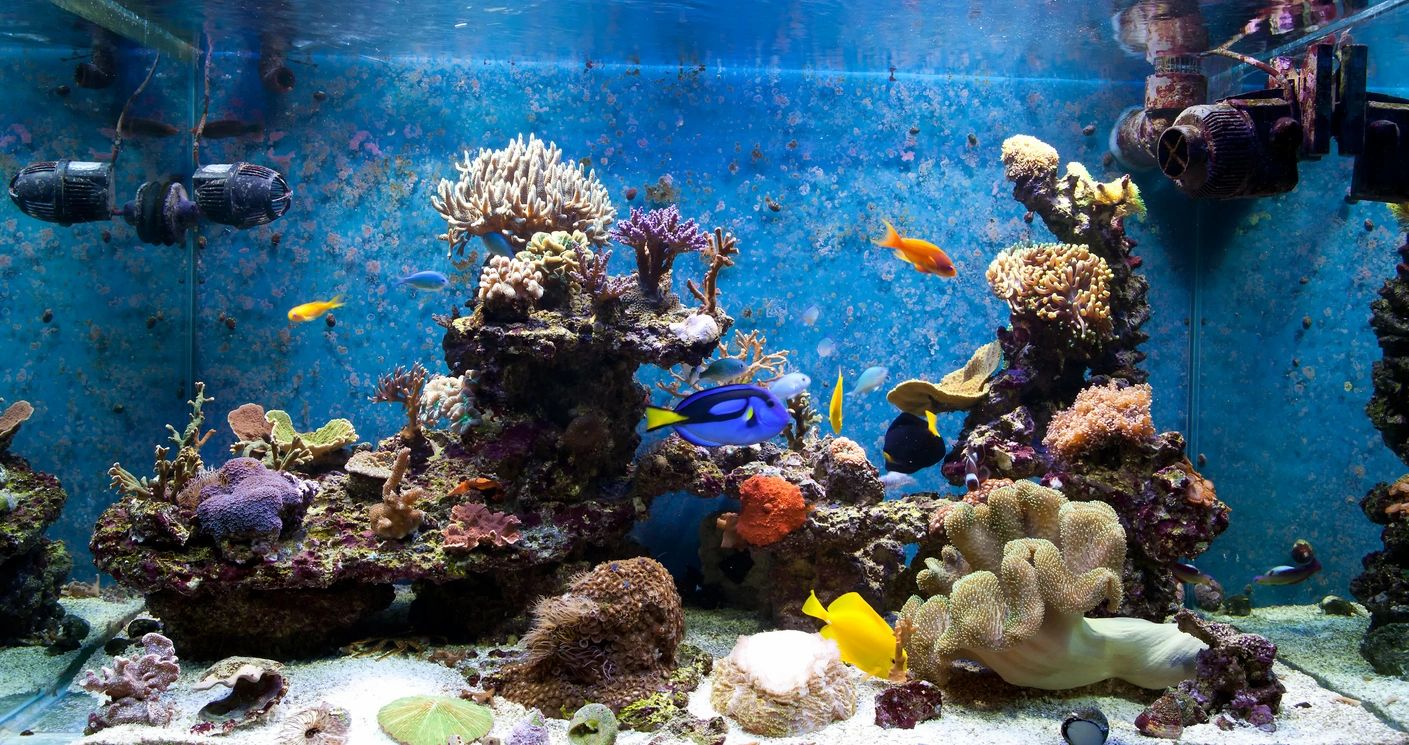
Gulf Live Rock.com
Hitchhikers on gulf live rock.
Gulf Live Rock.com
Upvote
0

Feed your system.I started my tank with half live rock half dry rock but my nitrates have been at 0 for awhile so that could maybe be the issue?
Upvote
0
Yes we also advise adding good live rock to a system for this reason .As an avid gardner, I feed the soil and it grows the crops.
The marine food web works in glass aquariums and on the wild reef. By adding micro inverts you seed the diversity of the microbial loop.
@sticky_rice
Opportunistic nuisance algaes like Cynobacteria & dinoflaggelets have learned survival techniques that thrive in low nutrient tanks. Consumers & competitors are required in the long run. Consider uncured diver collected rock to seed diversity of micro inverts.
Gulf Live Rock.com
Hitchhikers on gulf live rock.
Gulf Live Rock.com
Upvote
0












