I bought a Meanwell account of 240w, 54v, 4 spucks of leds, 8 LDDs of 700, a plate for the LDDs, aluminum heatsinks. now I don't know which controller it has, preferably controlled by wifi, and according to a friend who is helping me, the controller needs to be 56v.


Navigation
Install the app
How to install the app on iOS
Follow along with the video below to see how to install our site as a web app on your home screen.
Note: This feature may not be available in some browsers.
More options
You are using an out of date browser. It may not display this or other websites correctly.
You should upgrade or use an alternative browser.
You should upgrade or use an alternative browser.
Any controller with 56v?
- Thread starter danielch2008
- Start date
- Tagged users None




56V is out of the realm of most low voltage electronics. You might be able to find a 60V buck converter to power it, but that isn't a lot of room for a 56V system. Most 60V rated parts are going to be on a 48V max system.


- Joined
- Sep 18, 2017
- Messages
- 5,970
- Reaction score
- 3,673
Not sure if you are referring to me but you definitly misinterpreted what I said if so.I bought a Meanwell account of 240w, 54v, 4 spucks of leds, 8 LDDs of 700, a plate for the LDDs, aluminum heatsinks. now I don't know which controller it has, preferably controlled by wifi, and according to a friend who is helping me, the controller needs to be 56v.
Drivers need to be able to take that voltage, not the controller.
finding >48V drivers is not easy.
I mentioned a controller/driver custom board that had 60V max driver circuits on board.
The controller chips themselves run off 3.3 or 5V.
The pwm is usually 5v pwm.
The tc-420 or 421 (and a host of like controllers) run off 12-24V (voltage regulated down to 5V (or 3.3v) for the logic circuits).
Since these controllers are for constant voltage strip lights one just bypasses the MOSFETS that will dim them.
The gate of which is usually 5V PWM. That point of contact is used to dim things like the LDD-H drivers (9-56V for an input dc voltage) .
The way they are powered on a 56v DC power supply is using a step down board to lower voltage to say.. 24V (any steady voltage in the 12-24V range works and actually as low as 9v (tested))
Finding one with 8 individual channels in one unit is a challenge though drivers can be "ganged" onto 1 channel.
NOTES : Your 54V power supply is 56V
XLG-240-H-(A)
Any controlleer that outputs 5V pwm (actually 2.5-6V PWM is useable for those ldd-h's, 100-1KHz frequency)can be put in the place of the TC-420 (or 421)
The problem was # of channels and which you can get. The Coralux was the only one (I know of that is "off the shelf" )has 8 channels but is not available to you.
Well the one out of Poland was a possibility.
Last edited:
Eu não entendi. Ajude-me, por favor. Começando do zero... Driver = DLL? a DLL da foto da DLL é a entrada para uma fonte de alimentação entre 9V e 56V? que?!Não tenho certeza se você está se referindo a mim, mas você definitivamente interpretou mal o que eu disse.
Os drivers precisam ser capazes de receber essa tensão, não o controlador.
encontrar drivers > 48V não é fácil.
Attachments

I'm not understanding the difference of DLL, DRIVER and PWMNot sure if you are referring to me but you definitly misinterpreted what I said if so.
Drivers need to be able to take that voltage, not the controller.
finding >48V drivers is not easy.
I mentioned a controller/driver custom board that had 60V max driver circuits on board.
The controller chips themselves run off 3.3 or 5V.
The pwm is usually 5v pwm.
The tc-420 or 421 (and a host of like controllers) run off 12-24V (voltage regulated down to 5V (or 3.3v) for the logic circuits).
Since these controllers are for constant voltage strip lights one just bypasses the MOSFETS that will dim them.
The gate of which is usually 5V PWM. That point of contact is used to dim things like the LDD-H drivers (9-56V for an input dc voltage) .
The way they are powered on a 56v DC power supply is using a step down board to lower voltage to say.. 24V (any steady voltage in the 12-24V range works and actually as low as 9v (tested))
Finding one with 8 individual channels in one unit is a challenge though drivers can be "ganged" onto 1 channel.

NOTES : Your 54V power supply is 56V
XLG-240-H-(A)
Any controlleer that outputs 5V pwm (actually 2.5-6V PWM is useable for those ldd-h's, 100-1KHz frequency)
can be put in the place of the TC-420 (or 421)
The problem was # of channels and which you can get. The Coralux was the only one (I know of that is "off the shelf" )has 8 channels but is not available to you.
Well the one out of Poland was a possibility.

- Joined
- Sep 18, 2017
- Messages
- 5,970
- Reaction score
- 3,673
Hmmm, The led driver = voltage regulator.
The 9- 56 volts is how much voltage you can give to the regulator.
These are "step down" voltage regulators so it can only decrease the voltage not increase it
The 2- 42v is the range of voltage that can come out if it.
An led will draw a particular amount of current at a particular voltage. The 2 move together so to speak and each is dependent on the other
So say you have 3 different power supplies 12, 24, and 36 volts.
Also have a driver ( ldd) that wants to regulate the current to be JUST 700mA
And say you have an led that at 700mA requires 3 volts. Or a led at 3 volts will draw 700mA.
2 watts to say the same thing.
So first you put the 12v power to the ldd.
It will drop the voltage "out" to 3v.
Same with every other power supply.
24v in.....3v out
35 v in ... 3v out.
You mean LDD?
"LDD" or ldd-h is the driver ( voltage regulator).
It regulates voltage not to a specific voltage but a voltage dictated by the current.
So instead of always being like 12v it will change to keep the circuit at like 700mA.
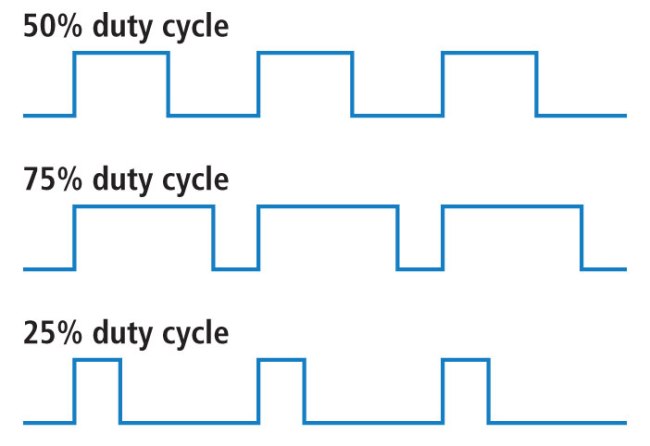
PWM = language the driver understands in order to dim the led
It is like a digital signal, 0-1, or on/off, O or 5v.
Think of " duty cycle" = brightness
50% of full brightness ect
The 9- 56 volts is how much voltage you can give to the regulator.
These are "step down" voltage regulators so it can only decrease the voltage not increase it
The 2- 42v is the range of voltage that can come out if it.
An led will draw a particular amount of current at a particular voltage. The 2 move together so to speak and each is dependent on the other
So say you have 3 different power supplies 12, 24, and 36 volts.
Also have a driver ( ldd) that wants to regulate the current to be JUST 700mA
And say you have an led that at 700mA requires 3 volts. Or a led at 3 volts will draw 700mA.
2 watts to say the same thing.
So first you put the 12v power to the ldd.
It will drop the voltage "out" to 3v.
Same with every other power supply.
24v in.....3v out
35 v in ... 3v out.
You mean LDD?
"LDD" or ldd-h is the driver ( voltage regulator).
It regulates voltage not to a specific voltage but a voltage dictated by the current.
So instead of always being like 12v it will change to keep the circuit at like 700mA.
PWM = language the driver understands in order to dim the led
It is like a digital signal, 0-1, or on/off, O or 5v.
Think of " duty cycle" = brightness
50% of full brightness ect
Pulse Width Modulation - SparkFun Learn
learn.sparkfun.com
Top top top show ery good you is 10!Hmmm, The led driver = voltage regulator.
The 9- 56 volts is how much voltage you can give to the regulator.
These are "step down" voltage regulators so it can only decrease the voltage not increase it
The 2- 42v is the range of voltage that can come out if it.
An led will draw a particular amount of current at a particular voltage. The 2 move together so to speak and each is dependent on the other
So say you have 3 different power supplies 12, 24, and 36 volts.
Also have a driver ( ldd) that wants to regulate the current to be JUST 700mA
And say you have an led that at 700mA requires 3 volts. Or a led at 3 volts will draw 700mA.
2 watts to say the same thing.
So first you put the 12v power to the ldd.
It will drop the voltage "out" to 3v.
Same with every other power supply.
24v in.....3v out
35 v in ... 3v out.
You mean LDD?
"LDD" or ldd-h is the driver ( voltage regulator).
It regulates voltage not to a specific voltage but a voltage dictated by the current.
So instead of always being like 12v it will change to keep the circuit at like 700mA.
PWM = language the driver understands in order to dim the led
It is like a digital signal, 0-1, or on/off, O or 5v.
Think of " duty cycle" = brightness
50% of full brightness ect
Pulse Width Modulation - SparkFun Learn
learn.sparkfun.com












