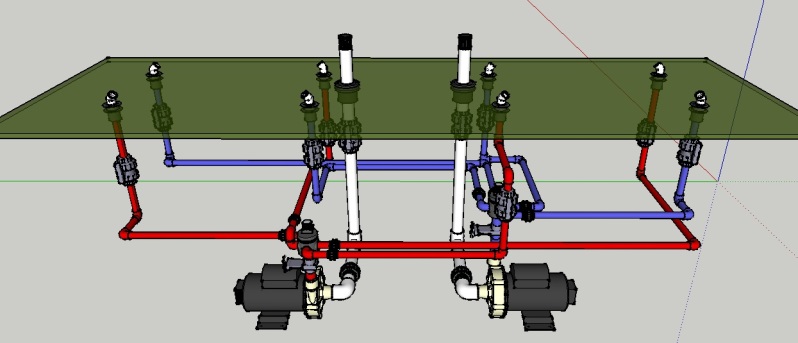
I concede (man that's a strong word

) that
aesthetically closed loop's may not be going away anytime soon.
energy conservation-wise the systems yearly expense makes them (CL) far less attractive (feel we can all agree to that one
), even the newer DC return bumps while
less expensive but, a better alternative to run, are still more expensive than some DC powerheads that can achieve the same if not better flow requirements that we reef-heads

want... this has bigger implications and recently I started looking at alternatives to reduce my energy consumption across a wider expanse both aquarium and no-aquarium related.
Food for thought... (
hesitated to post this bit last night, as these are my personal beliefs and I apologize if I inadvertently offend anyone, it's not my intent to sway ppl

with the post). Recently in the news we've all seen (unless you live under a live
rock
) broadcast/s about a world wide coral bleaching event going on... whenever you save energy, you not only save
money, you're also reduce the demand for such fossil fuels as coal, oil, and natural gas (where did you think
most of the electricity you use came from
)... less burning of fossil fuels also means lower emissions of carbon dioxide (CO2), the
so-called primary contributor to global warming, and other pollutants.
to me, NOAA's statement below is reason enough to try and cut back as much as we can if we want to have coral reefs around long term, and not in just some glass box that we have sitting in our living rooms, yeah I hijacked my own thread, it's still somewhat relative to the conversation

.
Climate change impacts have been identified as one of the greatest global threats to coral reef ecosystems. As temperature rise, mass
bleaching, and infectious
disease outbreaks are likely to become more frequent. Additionally, carbon dioxide (CO2) absorbed into the ocean from the atmosphere has already begun to reduce calcification rates in reef-building and reef-associated organisms by altering seawater chemistry through decreases in pH (
ocean acidification). In the long term, failure to address carbon emissions and the resultant impacts of rising temperatures and ocean acidification could make many other coral ecosystem management efforts futile.
http://coralreef.noaa.gov/threats/climate/