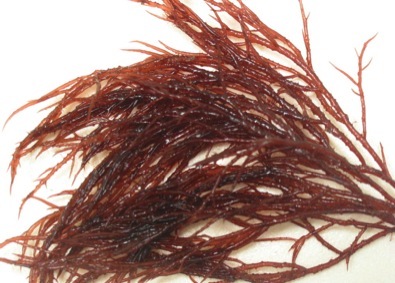
Does this look like Euchema growth?

Northwest_Scapes_

Well-Known Member
View Badges
Joined
Sep 20, 2020
Messages
730
Reaction score
1,301
Location
Seattle
Rating - 0%
0   0   0
A while ago I got what I believe is a piece of Euchema sp from GCE "Red Sampler". At first a lot the branches fell off which I expected since Euchema is notoriously difficult, but they weren't dying (losing color, turning to mush) so I placed some pieces into little crevices to see how they would do.
Just curious if this is actually growth I'm seeing or something else? The little spike in the center branch. I've noticed this in a couple other of the branches. I haven't been dosing any ChaetoGro, Phos, or Nitrates so if it's growing that'd be amazing
20220721_155319.jpg
 
A while ago I got what I believe is a piece of Euchema sp from GCE "Red Sampler". At first a lot the branches fell off which I expected since Euchema is notoriously difficult, but they weren't dying (losing color, turning to mush) so I placed some pieces into little crevices to see how they would do.
Just curious if this is actually growth I'm seeing or something else? The little spike in the center branch. I've noticed this in a couple other of the branches. I haven't been dosing any ChaetoGro, Phos, or Nitrates so if it's growing that'd be amazing

20220721_155319.jpg
It does look like it is shooting little sprouts out. I am on my phone, so a little hard to tell. I will tag a few folks to get some additional eyes for you.

@WheatToast @Subsea @Tigahboy
 
Following, I had to Google but found seaweed related coral, what kind of coral is this please
 
I may have received the same seaweed, as I just did get the red macro assortment from live plants.

PS: Pardon the dirty glass. It’s been a busy week.
 

Attachments

  • image.jpg
    image.jpg
    212.7 KB · Views: 42
I may have received the same seaweed, as I just did get the red macro assortment from live plants.

PS: Pardon the dirty glass. It’s been a busy week.
Gorgeous looking macroalgae!
My guess is that both this and OP’s algae are Gracilaria tikvahiae, based on Gulf Coast Ecosystems’ stock (with OP’s individual being quite weakened). Since they primarily collect from the Atlantic, I doubt the algae is Eucheuma or Gracilaria parvispora (Gulf Coast Ecosystems’ macroalgae guide says the latter can be found in the Atlantic, but this is not true).
 
Gorgeous looking macroalgae!
My guess is that both this and OP’s algae are Gracilaria tikvahiae, based on Gulf Coast Ecosystems’ stock (with OP’s individual being quite weakened). Since they primarily collect from the Atlantic, I doubt the algae is Eucheuma or Gracilaria parvispora (Gulf Coast Ecosystems’ macroalgae guide says the latter can be found in the Atlantic, but this is not true).
Gracilaria Tikvahiae has been elusive to me. I tried to get it from the Indian River Lagoon on the Florida Atlantic coast as described by the Smithsonian Institure at Indian River Lagoon estuarie.

Connecticute State Mariculture grew Gracilaria Tikvahiae in a recirculating closed system as a pilot grant program.

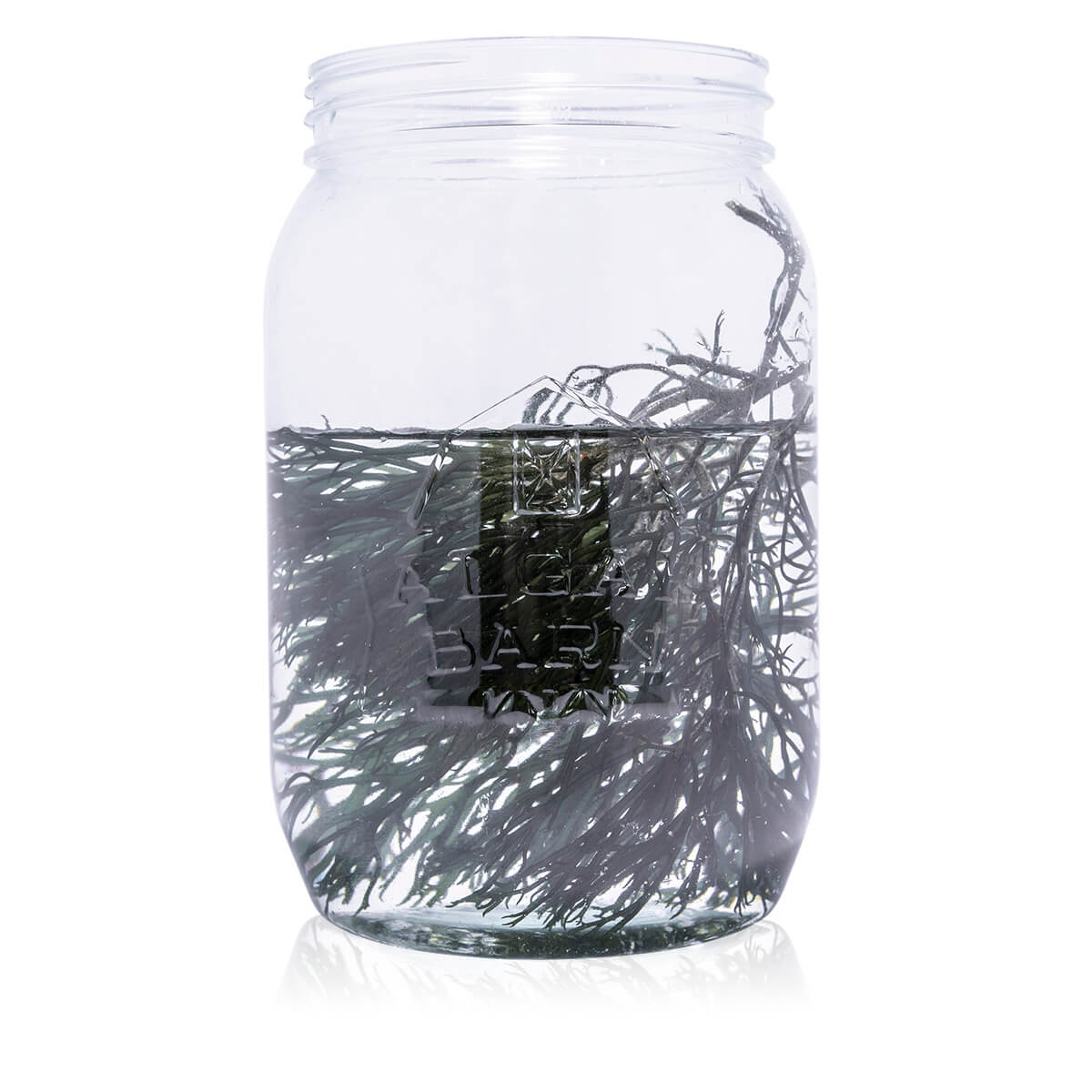
Algae Barn currently carrys Gracilaria Tikvahiae sometimes.

My interest in G Tikvahiae was for human ediable seaweed to grow in 10K gallon greenhouse system. After speaking to owner of IndoPacific SeaFarm, it was an alternative to growing Gracilaria Parvispora. To my knowledge, I have never had Gracilaria Tikvahiae in my possession. In reading different literature, Hawaiian mariculture imported Gracilaria Tikvahiae from the Gulf of Mexico to supplement demand for Parvispora.


Gracilaria: The pot thickens​

People eat a lot of seaweed. They just don’t know it. In the industry it is called coverts consumption vs overt consumption. What is covert consumption?


Graceful Redweed, Gracilaria tikvahiae
Did you eat some ice cream recently? You ate seaweed. Some seaweeds have chemicals that control the stability of liquids. One pound of seaweed extract can stabilize a ton ice cream. Look on the label, it
 
Gracilaria Tikvahiae has been elusive to me. I tried to get it from the Indian River Lagoon on the Florida Atlantic coast as described by the Smithsonian Institure at Indian River Lagoon estuarie.

Connecticute State Mariculture grew Gracilaria Tikvahiae in a recirculating closed system as a pilot grant program.

Algae Barn currently carrys Gracilaria Tikvahiae sometimes.

My interest in G Tikvahiae was for human ediable seaweed to grow in 10K gallon greenhouse system. After speaking to owner of IndoPacific SeaFarm, it was an alternative to growing Gracilaria Parvispora. To my knowledge, I have never had Gracilaria Tikvahiae in my possession. In reading different literature, Hawaiian mariculture imported Gracilaria Tikvahiae from the Gulf of Mexico to supplement demand for Parvispora.


Gracilaria: The pot thickens​

People eat a lot of seaweed. They just don’t know it. In the industry it is called coverts consumption vs overt consumption. What is covert consumption?


Graceful Redweed, Gracilaria tikvahiae
Did you eat some ice cream recently? You ate seaweed. Some seaweeds have chemicals that control the stability of liquids. One pound of seaweed extract can stabilize a ton ice cream. Look on the label, it
Tried to get and didn’t succeed? Or got some?

IRL is where I snorkel 5-6 times a year, collect gorgs, zoas and macro there. If you need some, next trip is in Oct. can snag ya some if you want.
 
@Eagle_Steve
I have never acquired Gracilaria Tikvahia. I have idle 150G Rubberemade tubs that are economical to operate with air and tumble culture and would like an opportunity to grow seaweed that is hardy during winter temperature swings. I have grown Red Ogo, Gracilaria Parvispora, which during winters in Austin required additional expense of heat input.

October should be pleasant weather for diver/collecting before winter sets in.
Patrick
 
@Eagle_Steve
I have never acquired Gracilaria Tikvahia. I have idle 150G Rubberemade tubs that are economical to operate with air and tumble culture and would like an opportunity to grow seaweed that is hardy during winter temperature swings. I have grown Red Ogo, Gracilaria Parvispora, which during winters in Austin required additional expense of heat input.

October should be pleasant weather for diver/collecting before winter sets in.
Patrick
I will let you know when I get some. It is the main food source (seaweed wise) for my critters. Wish I would have known, as would have sent you some. The batch below was processed into fish food and some for my consumption. It is a mix of a few macros, but I collect quite a bit when I collect lol.

99A387BD-80AC-437C-9026-97943A887A32.jpeg


188528A6-6392-4A5F-A463-03FC6AB99BA4.jpeg


C032AC25-ECA2-4EE0-8E9E-89D044D72A2E.jpeg


67BCF267-115C-472C-85A6-AEBF794D87C4.jpeg
 
I will let you know when I get some. It is the main food source (seaweed wise) for my critters. Wish I would have known, as would have sent you some. The batch below was processed into fish food and some for my consumption. It is a mix of a few macros, but I collect quite a bit when I collect lol.

99A387BD-80AC-437C-9026-97943A887A32.jpeg


188528A6-6392-4A5F-A463-03FC6AB99BA4.jpeg


C032AC25-ECA2-4EE0-8E9E-89D044D72A2E.jpeg


67BCF267-115C-472C-85A6-AEBF794D87C4.jpeg
I think it is so neat that you collect and see first hand how ecosystems work. My first marine tank coincided with first semester Marine Engineering at Texas Maritime Academy in Galveston. First semester technical elective was Chemical Oceanorgraphy in which Dynamic Equilibrium was the central theme in which subsystems were interconnected & interdependen. The Holistic View has come to use the term Reef Holibiont in which bacteria crosstalk and adjust “gene expression”, for the good of the whole. After 50 years of various techniques, I have come to a place that emulates nature using bacteria, algae and cryptic sponges to assist with minimalistic reef maintenanc.

This is 25 year setup of 75G display using 2” arroggonite reverse flow undergravel filter and on bottom 30G mud/cryptic sponge refugium. It just came thru the last week with second 48 hour treatment with Boyd ChemiClean. I have not yet done recommended 20% water change.
 

Attachments

  • image.jpg
    image.jpg
    189.9 KB · Views: 41
Gorgeous looking macroalgae!
My guess is that both this and OP’s algae are Gracilaria tikvahiae, based on Gulf Coast Ecosystems’ stock (with OP’s individual being quite weakened). Since they primarily collect from the Atlantic, I doubt the algae is Eucheuma or Gracilaria parvispora (Gulf Coast Ecosystems’ macroalgae guide says the latter can be found in the Atlantic, but this is not true).
This 30G and a 55Gbtank was set up to help as ornamental seaweed lagoons and to cure 100lbs of diver collected live rock from Gulf of Mexico nutrient rich waters. When I get this rock from the divers, there is much color from Bryozones of many colors and assorted red, yellow and orange sponges. Because of heavy herbivore grazing by urchins & numerous fish, GOM diver collected live rock is relatively free of macro algae growth, but after 6 months it will surprise you.l
 
I think it is so neat that you collect and see first hand how ecosystems work. My first marine tank coincided with first semester Marine Engineering at Texas Maritime Academy in Galveston. First semester technical elective was Chemical Oceanorgraphy in which Dynamic Equilibrium was the central theme in which subsystems were interconnected & interdependen. The Holistic View has come to use the term Reef Holibiont in which bacteria crosstalk and adjust “gene expression”, for the good of the whole. After 50 years of various techniques, I have come to a place that emulates nature using bacteria, algae and cryptic sponges to assist with minimalistic reef maintenanc.

This is 25 year setup of 75G display using 2” arroggonite reverse flow undergravel filter and on bottom 30G mud/cryptic sponge refugium. It just came thru the last week with second 48 hour treatment with Boyd ChemiClean. I have not yet done recommended 20% water change.
I also collect responsibly lol. Unlike some others who harvest macro, I do not strip an area out and hope it grows back. It is amazing at what the herbivores will do to new growth. Crabs and fish love "sprouts" and the macro has a hard time growing back in that spot due to that.

For example, I see a 2'x2' rock with a ton of macro on it, I will pull off 3-4 bunches and move on. Not strip the rock to nothing. Yeah, it causes me to use more gas if diving or having to swim more if snorkeling, but I have been hitting the same areas and even the same rocks for 11 years now lol. If I want codium, I go to XXXXXX and get some or want some gracilliria, I go to XXXXX to get some, for example. And I can do this from year to year and never worry about it being depleted and not there.

In addition, the best thing about collecting is watching all of the fish and critters eat the pods and micro-organisms that fall off the macro when I collect it. Seeing baby atlantic blue tangs go nuts over amphipods, wrasse devour small crabs and even little scorpion fish swim off is a blast.
 
I may have received the same seaweed, as I just did get the red macro assortment from live plants.

PS: Pardon the dirty glass. It’s been a busy week.
This algae might also be Agardhiella subulata, but I do not know how to tell this and Gracilaria tikvahiae apart.

Agardhiella subulata:
1658772875575.png


Gracilaria tikvahiae:
1658772983110.png
 
OP here, thought I'd give yall an update: So I did reach out to Russ and he confirmed it is Euchema Spinosum! Kind of surprised it's growing back since I haven't started dosing yet. Hopefully these little pieces I have spread out that are all growing back grow into big pieces so i can start trading
DSC02598.JPG
Screenshot_20220728-160142_Gmail.jpg
 

IF YOU HAD TO TAKE A REEFING EXAM, WOULD YOU PASS?

  • Yes!

    Votes: 32 45.7%
  • Not yet, but I have one that I want to buy in mind!

    Votes: 9 12.9%
  • No.

    Votes: 26 37.1%
  • Other (please explain).

    Votes: 3 4.3%
Back
Top