

Dying fish and shrimp

lukas_gr

New Member
View Badges
Joined
Sep 6, 2024
Messages
8
Reaction score
3
Location
Piaseczno
What state or country do you live in
Other International
Rating - 0%
0   0   0
First of all, hello everyone, this is my first post and first of all, I apologize for the mistakes in my English. I decided to write because I have a serious problem with the fish in my aquarium. I set up the aquarium 1.5 years ago, it has 200 gallons. Mainly SPS and LPS corals. Everything was very good until July. Due to the detritus, I added Fauna Marin Bacto Therapy and Reef Actif Tropic Marin (although it may have nothing to do with it, but that's when it all started). First, all the Lysmata amboinensis shrimp died. Later, small fish started to die. After 2 months, all the fish died, including the tangs. The fish looked like they were suffocating, their breathing was rapid. They had no rash or other visible symptoms. I also noticed that several acropora slowly started to lose tissue. At that time, I did a lot of water changes with Tropic Marin Pro Reef salt. I did three ICP tests and all the parameters were normal. I put shrimp and a few small fish in as a test, but the situation repeated itself. The shrimp died after 2 days, and the fish after 4 days. I did a Salifert test for O2, it was normal. Ammonia and nitrites undetectable. Phosphates increased significantly due to the many dead fish. I decided to add chemiclean. It seems to me that after the chemiclean treatment, the corals started to look better. The UV lamp was on for 2 months, but it didn't help. Ozone didn't help much either, but I didn't use it much either. This week I put 2 shrimp and a few small fish in again. The shrimp died after 2 days, and the fish after 4. I will add that I also have starfish, sea urchins and lots of snails that are fine. Today I bought a milwaukee ORP meter. The measurement was very low 60-70mv. I don't know why. Maybe because of the numerous water changes. I still filter the water with carbon. I turned on the ozone again, but I have no idea what to do. Please help!

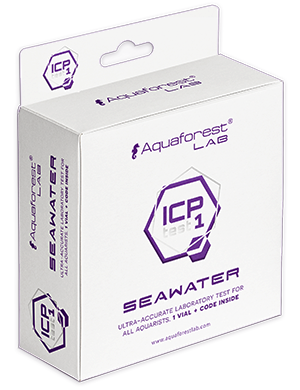
ICP from today:
 
First of all, hello everyone, this is my first post and first of all, I apologize for the mistakes in my English. I decided to write because I have a serious problem with the fish in my aquarium. I set up the aquarium 1.5 years ago, it has 200 gallons. Mainly SPS and LPS corals. Everything was very good until July. Due to the detritus, I added Fauna Marin Bacto Therapy and Reef Actif Tropic Marin (although it may have nothing to do with it, but that's when it all started). First, all the Lysmata amboinensis shrimp died. Later, small fish started to die. After 2 months, all the fish died, including the tangs. The fish looked like they were suffocating, their breathing was rapid. They had no rash or other visible symptoms. I also noticed that several acropora slowly started to lose tissue. At that time, I did a lot of water changes with Tropic Marin Pro Reef salt. I did three ICP tests and all the parameters were normal. I put shrimp and a few small fish in as a test, but the situation repeated itself. The shrimp died after 2 days, and the fish after 4 days. I did a Salifert test for O2, it was normal. Ammonia and nitrites undetectable. Phosphates increased significantly due to the many dead fish. I decided to add chemiclean. It seems to me that after the chemiclean treatment, the corals started to look better. The UV lamp was on for 2 months, but it didn't help. Ozone didn't help much either, but I didn't use it much either. This week I put 2 shrimp and a few small fish in again. The shrimp died after 2 days, and the fish after 4. I will add that I also have starfish, sea urchins and lots of snails that are fine. Today I bought a milwaukee ORP meter. The measurement was very low 60-70mv. I don't know why. Maybe because of the numerous water changes. I still filter the water with carbon. I turned on the ozone again, but I have no idea what to do. Please help!

ICP from today:
Are you using different water from when you started?
How did you cycle the tank and how long?
How long did you acclimate and introduce the fish?

Your issue is likely the water and immature/young tank which has a risk of ammonia spikes. Besides ICP, how are you testing the water?
Please post pictures of the tank and filters
 
Last edited:
if this is a newer tank, these specimens not good for a new tank.
How did you cycle the tank and how long?
How long did you acclimate and introduce the fish?

Your issue is likely the water and immature/young tank which has a risk of ammonia spikes.
Please post pictures of the tank and filters
He said his tank is one and a half years old. He might be dealing with some spike, probably not ammonia though.
 
Welcome to Reef2Reef!

One thing we see with multiple animal losses over long periods is that the cause of deaths may not all be related.

Can you post some photos of the tank?

The fish fish loss could be related to fluke worms. Shrimp loss could be due to lack of oxygen ( you test may not be accurate) but shrimp are also sensitive to oxidizers like ozone and some water additives.
 
Hi, Today I received the results from the autopsy of one fish (Labroides dimidiatus) performed by a veterinarian ichthyopathologist. I was informed that the fish had no symptoms of bacterial or viral infection, nor did it have parasites. The vet informed me that the only symptoms were anemia and ischemic gills. In the intestines he found parasites originating from snails, but this was due to the way Labroides dimidiatus was fed. The vet said that in his opinion the cause of death was a toxin or electrical breakdown. Today I checked the AC voltage with an electric meter. I put one wire in the aquarium water and the other to the ground in the socket. The meter showed 70V, after turning off the skimmer (bubble king) it dropped to 45V. The voltage in the socket in Europe is 230V. I read on one of the forums that of course there will always be some voltage in such a situation due to the fact that a marine aquarium works like a capacitor, the question is whether this is a lot or a little. At the moment I have turned off the skimmer and the cooler, added Purit Brigtwell and put in 2 Ambonesis shrimps, which were the first to die. If they die, I will continue looking for the cause. I have also added 50ml of Seachem Amguard today just in case, although the Salifert ammonia test did not show anything. I am sending photos
 

Attachments

  • IMG_2517.JPG
    IMG_2517.JPG
    174.3 KB · Views: 27
  • IMG_2518.JPG
    IMG_2518.JPG
    235.4 KB · Views: 29
  • IMG_2519.JPG
    IMG_2519.JPG
    247.2 KB · Views: 27
  • IMG_2520.JPG
    IMG_2520.JPG
    223.5 KB · Views: 34
Hi, Today I received the results from the autopsy of one fish (Labroides dimidiatus) performed by a veterinarian ichthyopathologist. I was informed that the fish had no symptoms of bacterial or viral infection, nor did it have parasites. The vet informed me that the only symptoms were anemia and ischemic gills. In the intestines he found parasites originating from snails, but this was due to the way Labroides dimidiatus was fed. The vet said that in his opinion the cause of death was a toxin or electrical breakdown. Today I checked the AC voltage with an electric meter. I put one wire in the aquarium water and the other to the ground in the socket. The meter showed 70V, after turning off the skimmer (bubble king) it dropped to 45V. The voltage in the socket in Europe is 230V. I read on one of the forums that of course there will always be some voltage in such a situation due to the fact that a marine aquarium works like a capacitor, the question is whether this is a lot or a little. At the moment I have turned off the skimmer and the cooler, added Purit Brigtwell and put in 2 Ambonesis shrimps, which were the first to die. If they die, I will continue looking for the cause. I have also added 50ml of Seachem Amguard today just in case, although the Salifert ammonia test did not show anything. I am sending photos
In the US, stray / induced voltage is commonly seen and has no bearing on animal loss. A short circuit or other dangerous malfunction could possibly pose a problem in addition to it being unsafe for people. I don’t know enough about your electrical system to know if the problems are the different in your country.

The water in your tank seems very still - what is your source for aeration?
 
3x octop pulse op-4, 2x tunze 6095, bubble king supermarin 250, pompa powrotu 20000l/h. But as I wrote, everything was fine until July on the same equipment, the only new thing was the cooler due to the heat, but I have already disconnected it to check if that's not it, and as I wrote, all the snails, starfish and sea urchin are doing well
 
3x octop pulse op-4, 2x tunze 6095, bubble king supermarin 250, pompa powrotu 20000l/h
I don’t know what a bubble king is, but does it inject air into the water? You need bbbkes strongly breaking the surface tension of the water in order to allow for proper gas exchange - lowering carbon dioxide and raising the dissolved oxygen level. Protein skimmers help do that as well.
 
Bubble king is a skimmer https://www.royalexclusiv.com/Skimm...le-King-R-Supermarin-250-BK-DC-24V::1038.html :) As I wrote earlier, I did the o2 Salifert test for water oxygenation and it was correct. However, something causes the fish to have problems with their gills and breathing. The vet talked about anemia. Will oznon help in this situation and is this low ORP redox caused by the numerous water changes I have done?


 
Bubble king is a skimmer https://www.royalexclusiv.com/Skimm...le-King-R-Supermarin-250-BK-DC-24V::1038.html :) As I wrote earlier, I did the o2 Salifert test for water oxygenation and it was correct. However, something causes the fish to have problems with their gills and breathing. The vet talked about anemia. Will oznon help in this situation and is this low ORP redox caused by the numerous water changes I have done?
Oxygen tests are notoriously inaccurate, even some meters give really poor results. The reason I wanted to rule that out is because both fish and shrimp have high oxygen requirements. Gill diseases will cause fish to breath fast and die, but only low oxygen will cause both fish and shrimp to die like that. The shrimp may be dying from some other causes though.

The low redox can also be related to low dissolved oxygen. What is the pH of the water if you test it first thing in the morning?

Anemia is an internal issue in the fish’s blood, and is separate from water quality of the tank. Anemia is usually caused by diet problems and doesn’t cause multiple acute losses like this. I suppose some anemia could be caused by specific parasitic diseases, but then the vet would have seen evidence of that.
 
How do you measure oxygenation correctly then, what could be causing oxygenation problems if everything was fine for a year? Honestly, that was my first clue. I thought the bacteria had overgrown and were sucking the oxygen out of the water.
 
How do you measure oxygenation correctly then, what could be causing oxygenation problems if everything was fine for a year? Honestly, that was my first clue. I thought the bacteria had overgrown and were sucking the oxygen out of the water.
 
How do you measure oxygenation correctly then, what could be causing oxygenation problems if everything was fine for a year? Honestly, that was my first clue. I thought the bacteria had overgrown and were sucking the oxygen out of the water.
There is a photo cell meter that works good, and Chemetrics used to have a test that was fairly accurate.

You can sometimes infer low oxygen through measuring the pH of a tank first thing in the morning - reverse phase photosynthesis takes in oxygen and gives off carbon dioxide. The latter will drop the pH. If your pH reading is low in the morning and high in the afternoon, you likely have a gas exchange problem.

The typical solution is easy - add good aeration and see if the problem resolves.
 
Does the ozonator increase water oxygenation? I increased the movement of the water surface and will keep an eye on it. What do you think about what I wrote about bacteria?
 
Does the ozonator increase water oxygenation? I increased the movement of the water surface and will keep an eye on it. What do you think about what I wrote about bacteria?

Ozone breaks down into O2, but it also forms ozone-oxidants that can be toxic to shrimp, and even fish at too high of a level. These oxidants can be measured using an accurate DPD chlorine test, but that is mostly a public aquarium test, using a spectrophotometer.
 

IF YOU HAD TO TAKE A REEFING EXAM, WOULD YOU PASS?

  • Yes!

    Votes: 32 45.7%
  • Not yet, but I have one that I want to buy in mind!

    Votes: 9 12.9%
  • No.

    Votes: 26 37.1%
  • Other (please explain).

    Votes: 3 4.3%

New Posts

Back
Top











