Help with dinoflagellate identification

gatorhippie

New Member
View Badges
Joined
Jan 13, 2021
Messages
8
Reaction score
1
Location
USA
Rating - 0%
0   0   0
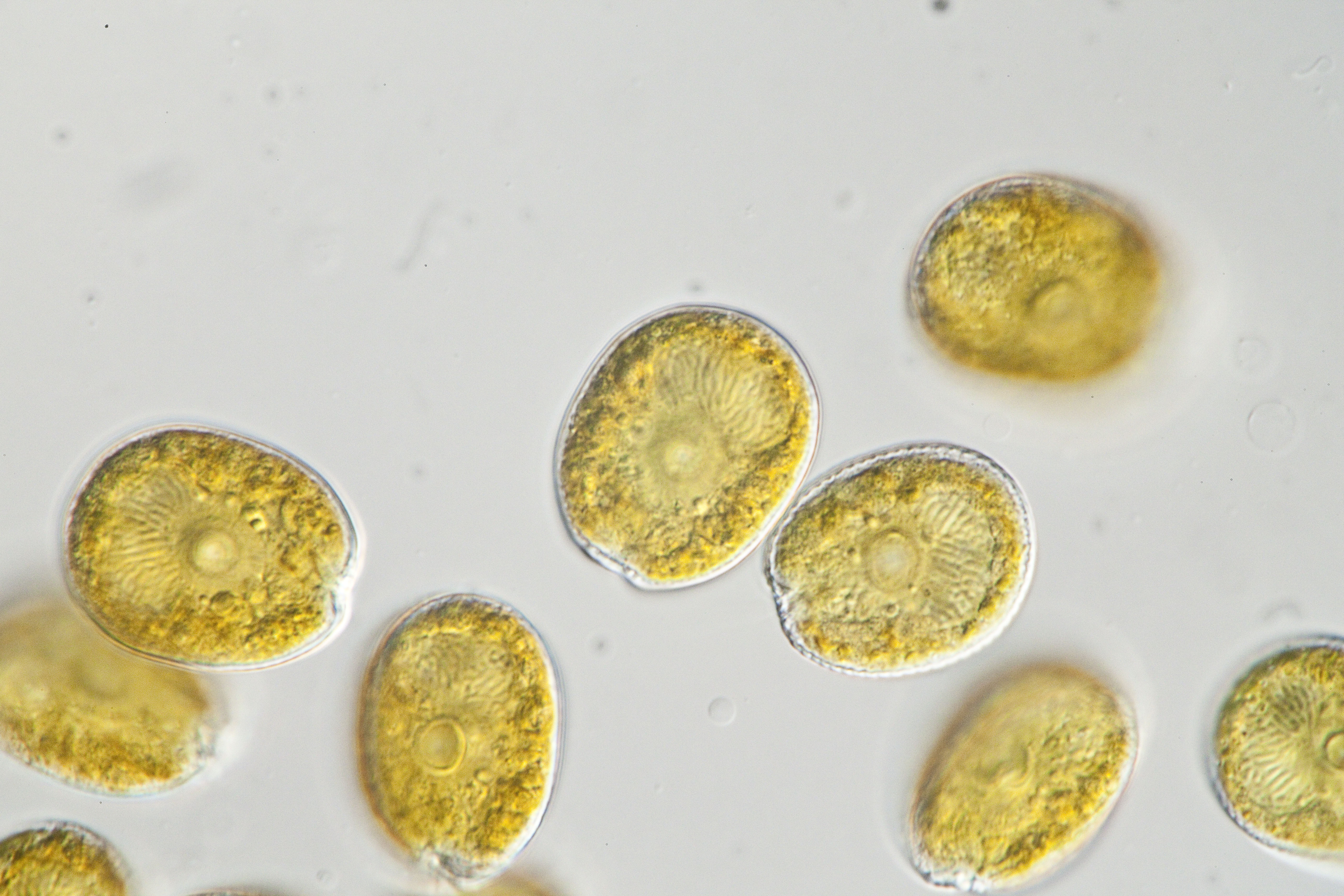
Hi, I've been battling dinos for several months now and I am trying to identify them with a microscope. I'm not sure I know what to look for. Does anyone know what kind of dino I'm dealing with here? Thanks in advance.

dino_op.gif
 
Its dinoflagellates and needs to be address quickly as is fairly easy. First- Check phosphates and nitrates to assure theyre not elevated.
Blow loose with a turkey baster. It will capture and clean more surface area. Here is full program:
Prepare by starting with a water change and blow this stuff loose with a turkey baster and siphon up loose particles.
Turn lights off (at least white and run blue at 10-15%) for 5 days and at night dose 1ml of hydrogen peroxide per 10 gallons for all 5 nights. If you dont have light dependent coral- turn all lights off.
During the day dose 1ml of liquid bacteria (such as bacter 7) per 10 gallons.
Clean filters daily and DO NOT FEED CORAL FOODS OR ADD NOPOX as it is food for dinos.
Day 5,, you can start with blue lights - ramping up and work your white lights up slowly
 
Its dinoflagellates and needs to be address quickly as is fairly easy. First- Check phosphates and nitrates to assure theyre not elevated.
Blow loose with a turkey baster. It will capture and clean more surface area. Here is full program:
Prepare by starting with a water change and blow this stuff loose with a turkey baster and siphon up loose particles.
Turn lights off (at least white and run blue at 10-15%) for 5 days and at night dose 1ml of hydrogen peroxide per 10 gallons for all 5 nights. If you dont have light dependent coral- turn all lights off.
During the day dose 1ml of liquid bacteria (such as bacter 7) per 10 gallons.
Clean filters daily and DO NOT FEED CORAL FOODS OR ADD NOPOX as it is food for dinos.
Day 5,, you can start with blue lights - ramping up and work your white lights up slowly

Thanks for the tips! I'm currently doing all those things except for the hydrogen peroxide dosing at night. Do you dose it just by pouring it directly into the display?

Also, any idea what type of dino this is? Like is it coolia or amphidinium?
 
Thanks for the tips! I'm currently doing all those things except for the hydrogen peroxide dosing at night. Do you dose it just by pouring it directly into the display?

Also, any idea what type of dino this is? Like is it coolia or amphidinium?
Looks like amphidinium and I did add direct to display
 
Im guessing coolia, but not certain, where are they in the tank? Do they disappear at night?
 

Attachments

  • PNG image.png
    PNG image.png
    640.7 KB · Views: 65
Lol this blows my mind. Is it brown and stringy with bubbles at the ends? Its dino. As said. Blow with the turkey baster. Wcs till its gone. Hths.
D
 
Im guessing coolia, but not certain, where are they in the tank? Do they disappear at night?
I feel like some of it disappears at night, but I definitely still see a good chunk of it even hours after lights out. It likes to cover my sand and tank walls as well as a bit on the rocks.


nice website with great video’s of different species
 
That's what I was afraid of. My UV probably won't do anything to kill these, right?
Correct. LC Amphids don't leave the sand bed at night unfortunately.

These creatures have very good defenses and are hard to get rid of, so be patient. On the bright side -- assuming you can keep nutrient available -- they should not kill off coral, fish or inverts.

You could take what @vetteguy53081 wrote and add some dosing of Sponge Excel to get diatoms competing and you will be doing the best you can. Keep track of your efforts and results and share your experiences.
 

IF YOU HAD TO TAKE A REEFING EXAM, WOULD YOU PASS?

  • Yes!

    Votes: 32 45.7%
  • Not yet, but I have one that I want to buy in mind!

    Votes: 9 12.9%
  • No.

    Votes: 26 37.1%
  • Other (please explain).

    Votes: 3 4.3%
Back
Top