

Our tank's biology up close

Now this set was cool to watch and have it on video (hopefully) The pieces being "pulled" out of the algae.
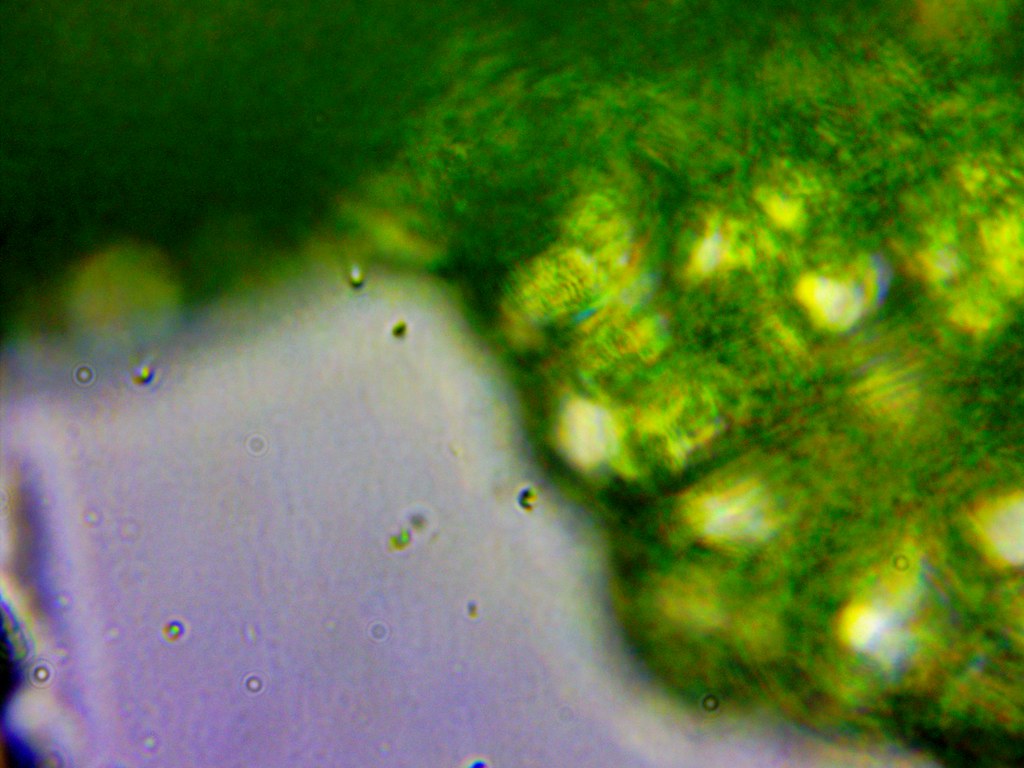

Algae_vs_Vibrant2-0011 by Jason, on Flickr
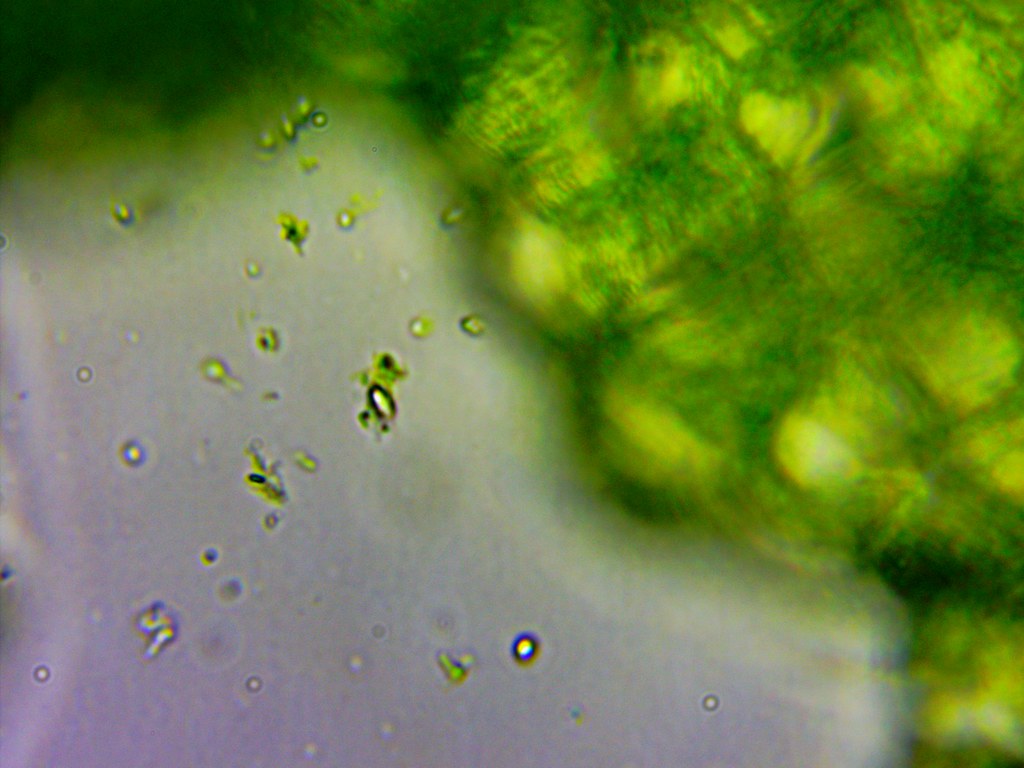
Algae_vs_Vibrant2-0018 by Jason, on Flickr
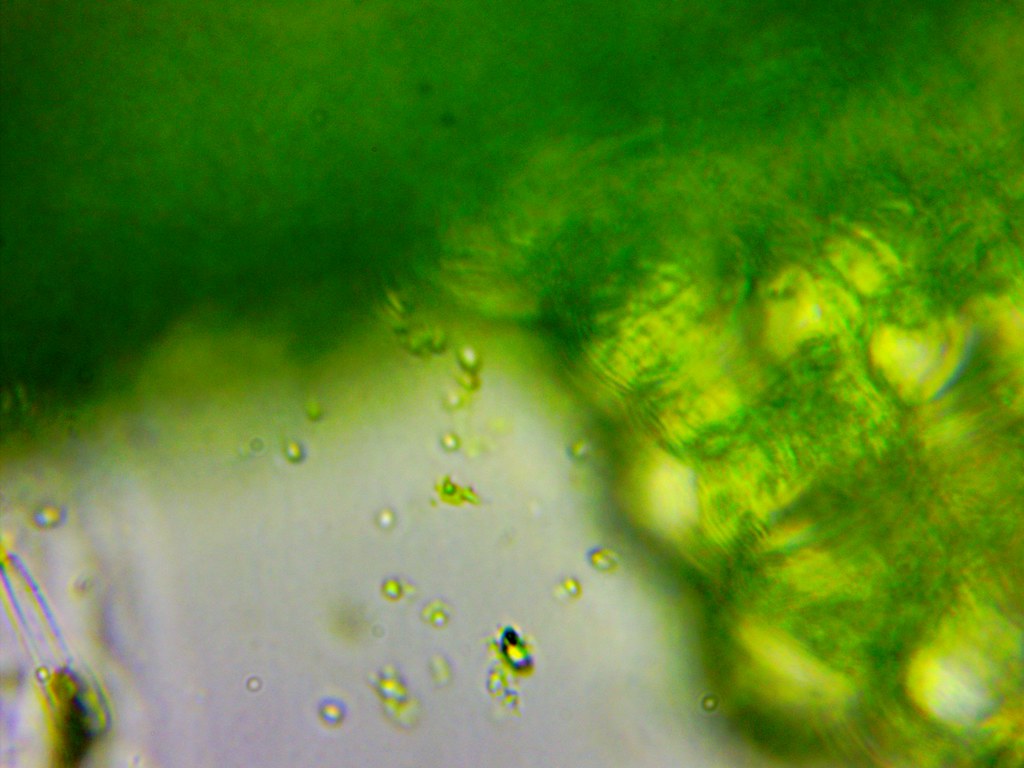
Algae_vs_Vibrant2-0019 by Jason, on Flickr
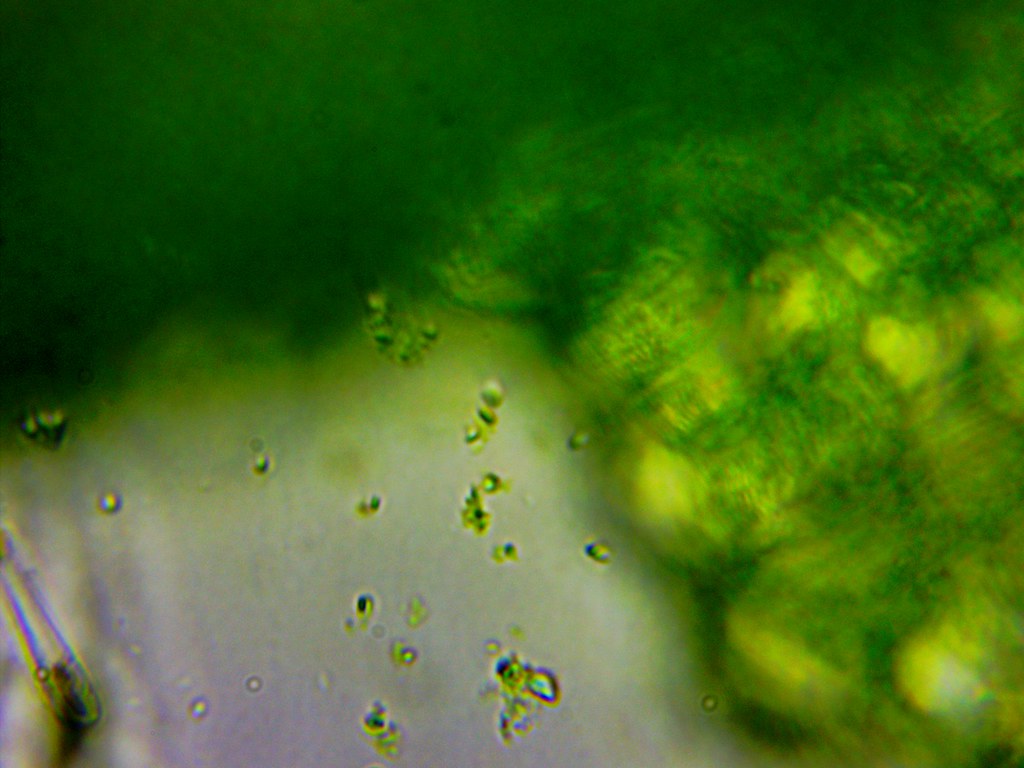
Algae_vs_Vibrant2-0020 by Jason, on Flickr

Algae_vs_Vibrant2-0021 by Jason, on Flickr
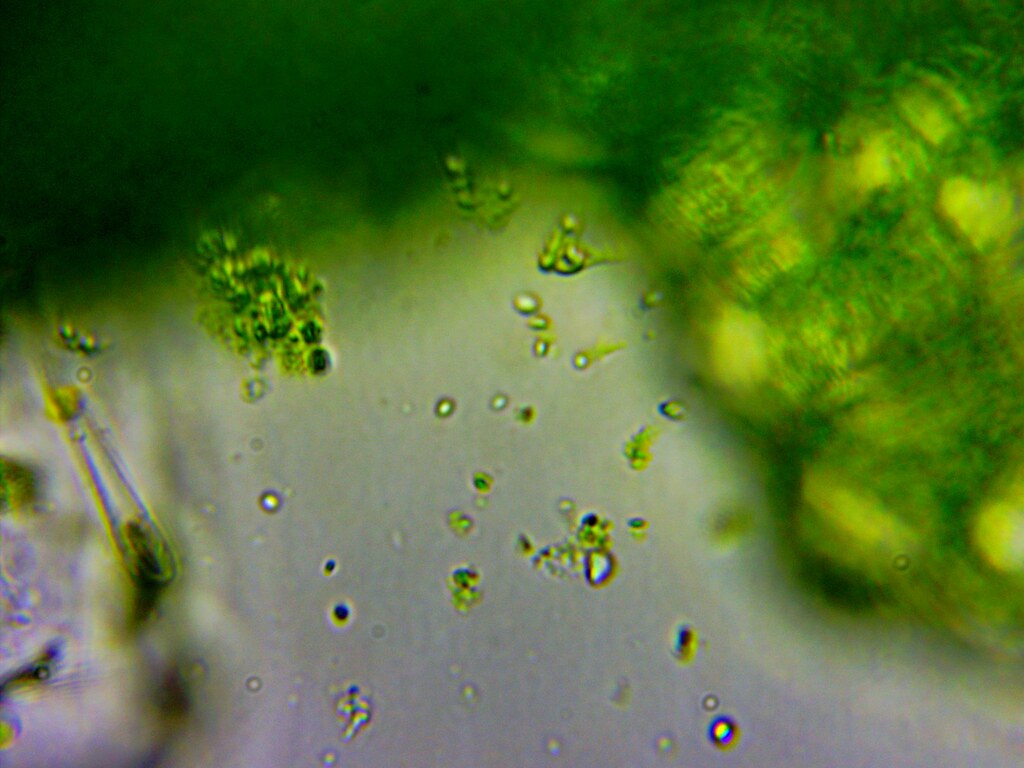
Algae_vs_Vibrant2-0022 by Jason, on Flickr
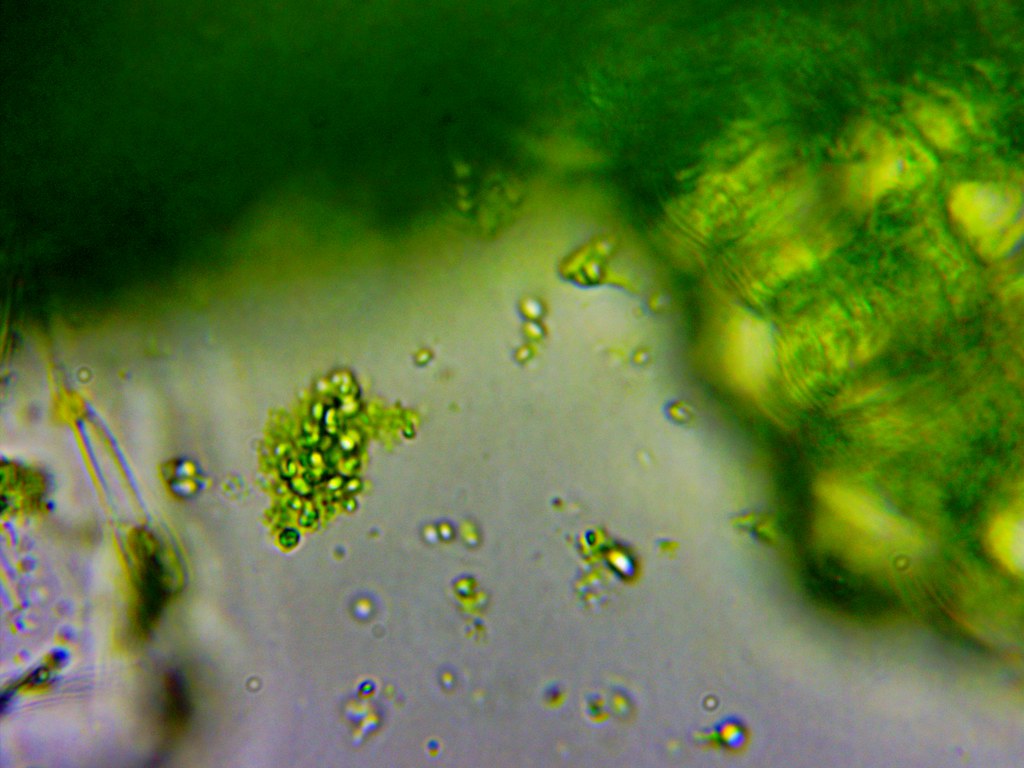
Algae_vs_Vibrant2-0023 by Jason, on Flickr
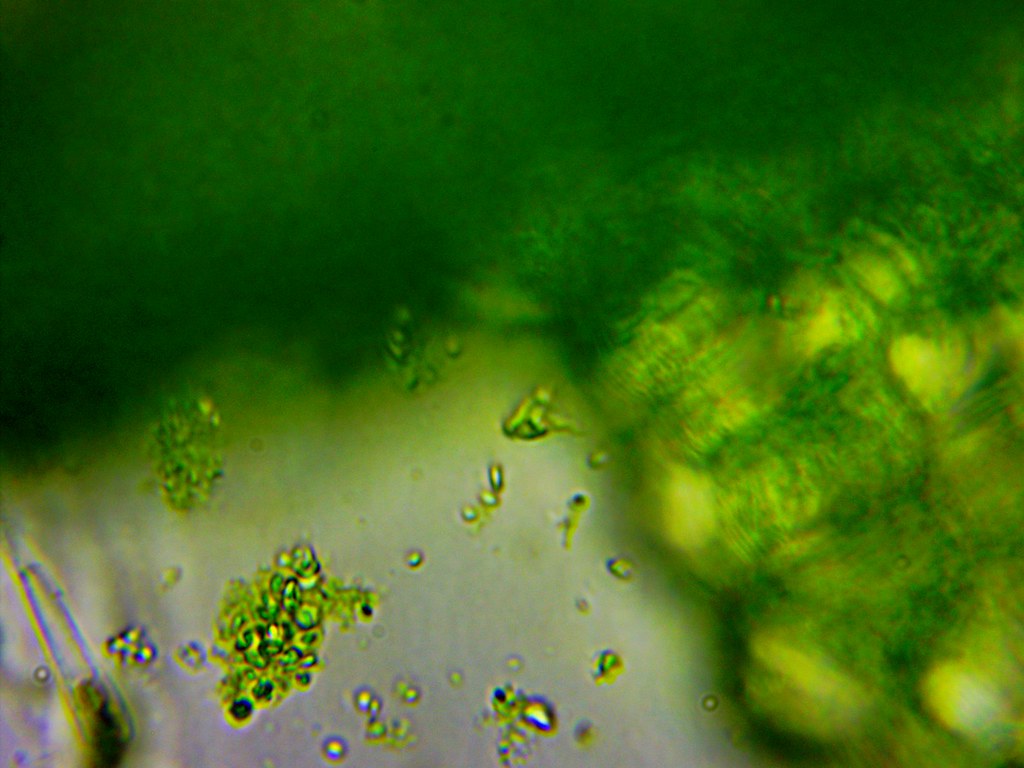
Algae_vs_Vibrant2-0024 by Jason, on Flickr
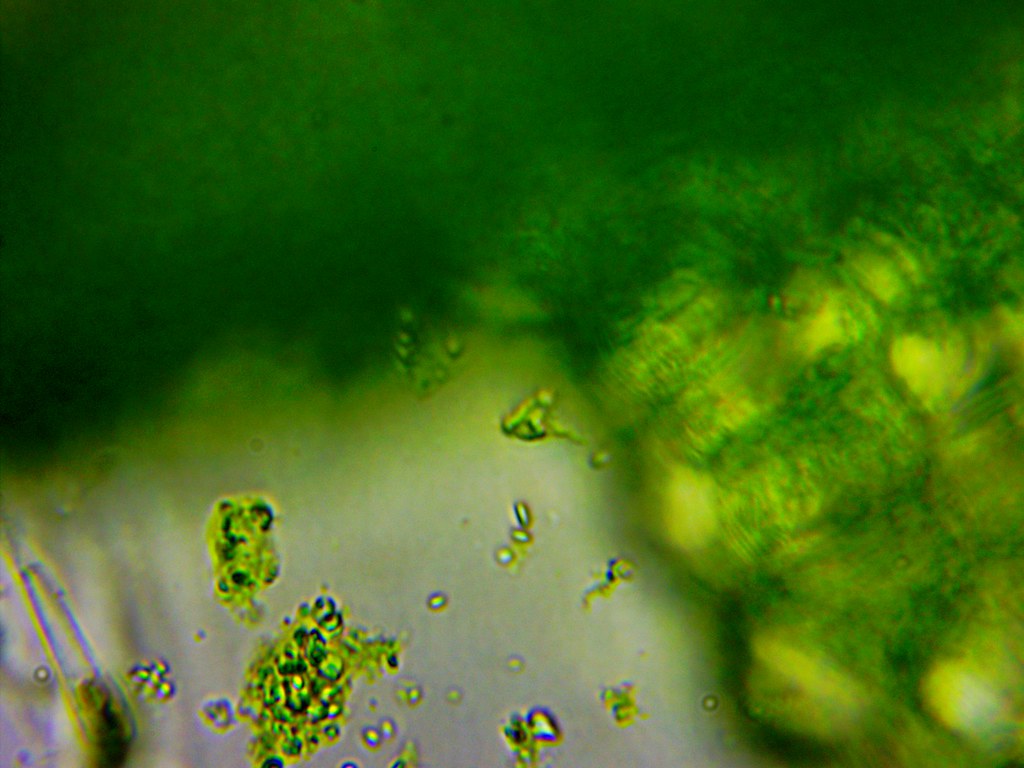
Algae_vs_Vibrant2-0025 by Jason, on Flickr
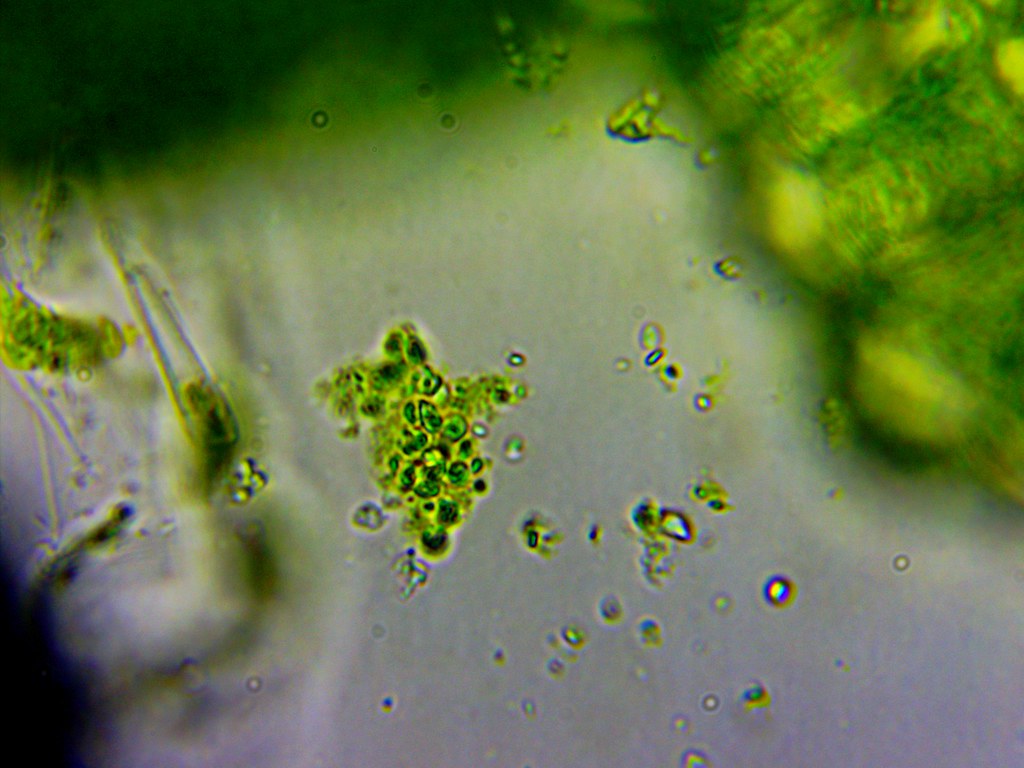
Algae_vs_Vibrant2-0026 by Jason, on Flickr

 
Google decided to animate that sequence. I still need to get the videos uploaded.

a7b7fc38befe27e11409647c1be609d6.gif
 
How is this bacteria any different than all others out there?
I have a feeling it isn't. I think it is just a more effective blend of several commercial bacteria products. Just a guess though.
 
How is this bacteria any different than all others out there?

Good question. I didn't get an answer back from them on that. But from what I have visually seen under the microscope there's some unique strands of something, possibly left over from some type of algae, with bacteria attached to it. Those seemed to be dormant. I did see some active bacteria and typical cocci and bacilli and coccobacillus types. But I also found chains of coccus bacteria and they did stain gram positive which would indicate a type of streptococcus. That I have definitely not seen in any of the bottles of bacteria I've looked at yet.
 
I have a feeling it isn't. I think it is just a more effective blend of several commercial bacteria products. Just a guess though.

Well, there's not really anything less or more effective. But each types of bacteria out there which there are a LOT has certain capabilities. These seem to be heterotrophs and fairly aggressive ones. Other very aggressive types of bacteria are often pathogenic to something.

Like this:https://www.researchgate.net/profil...ean_corals/links/0deec519c0803c3cd6000000.pdf


But yes it could very well be from some other commercial application now being applied to the aquarium industry. Don't know the source and origin.
 
Right about the 2 minute mark I try to see where these little pieces are coming from. Then realized they were coming from the algae...

Right after the 3 minute mark I caught a nice chuck come out.

 
I love this stuff, only wish I was smart enough to understand it :-) It truly does seem interesting. So Jason could you boil down your thoughts on this for us mortals? Based on what you're seeing under the scope, what do you think of this product? What is is actually doing? Especially interesting in understanding what you said here:

Well, there's not really anything less or more effective. But each types of bacteria out there which there are a LOT has certain capabilities. These seem to be heterotrophs and fairly aggressive ones. Other very aggressive types of bacteria are often pathogenic to something.

Like this:https://www.researchgate.net/profil...ean_corals/links/0deec519c0803c3cd6000000.pdf


But yes it could very well be from some other commercial application now being applied to the aquarium industry. Don't know the source and origin.

Anyway, awesome thread -- I'm truly in awe of stuff like this. thnaks for doing all this and posting it online.
 
I love this stuff, only wish I was smart enough to understand it :-) It truly does seem interesting. So Jason could you boil down your thoughts on this for us mortals? Based on what you're seeing under the scope, what do you think of this product? What is is actually doing? Especially interesting in understanding what you said here:



Anyway, awesome thread -- I'm truly in awe of stuff like this. thnaks for doing all this and posting it online.

My thoughts on Vibrant are positive and it does something. Exactly what I do not know. At minimum they consume nutrients of some types. And does it fairly aggressively.


As for bacteria in general, they are very basic. Prokaryotic vs what we see day to day which are most likely eukaryotic which are much more complex. Like us. Bacteria of some type being very basic usually have one job to do. Consume something. They are looking for a carbon and nitrogen source and a method to break it down (metabolize) in some way. Each type can be different in what they can break down.

Usually very specific in a specific type of environment. Some can change the environment they can live in like facultative anaerobes (prefers oxygenated environments but does not require it) vs obligate aerobes (require oxygen).

https://en.m.wikipedia.org/wiki/Facultative_anaerobic_organism

Some can be phototrophs(light driven), some heterotrophs (must consume), and some both.


Just look at the typical nitrogen cycle people worry about when they setup a tank. Each stage has a different type of bacteria


Nitrification.jpg


Or another fun thing to do (well I do) is look up different carbon sources and see what there metabolites are. What breaks down into what. Some kind of bacteria did that.

Like Ethanol (vodka) is broken down to several things like acetic acid (vinegar) which both are things people dose in their tanks to increase bacteria population consuming some form of C:N:P

https://en.m.wikipedia.org/wiki/Ethanol
 
Last edited:
My thoughts on Vibrant are positive and it does something. Exactly what I do not know. At minimum they consume nutrients of some types. And does it fairly aggressively.


As for bacteria in general, they are very basic. Prokaryotic vs what we see day to day which are most likely eukaryotic which are much more complex. Like us. Bacteria of some type being very basic usually have one job to do. Consume something. They are looking for a carbon and nitrogen source and a method to break it down (metabolize) in some way. Each type can be different in what they can break down.

Usually very specific in a specific type of environment. Some can change the environment they can live in like facultative anaerobes (prefers oxygenated environments but does not require it) vs obligate aerobes (require oxygen).

https://en.m.wikipedia.org/wiki/Facultative_anaerobic_organism

Some can be phototrophs(light driven), some heterotrophs (must consume), and some both.


Just look at the typical nitrogen cycle people worry about when they setup a tank. Each stage has a different type of bacteria


Nitrification.jpg


Or another fun thing to do (well I do) is look up different carbon sources and see what there metabolites are. What breaks down into what. Some kind of bacteria did that.

Like Ethanol (vodka) is broken down to several things like acetic acid (vinegar) which both are things people dose in their tanks to increase bacteria population consuming some form of C:N:p

https://en.m.wikipedia.org/wiki/Ethanol
I agree...this is awesome, @jason2459 ! We have a scope, but no camera, and our setup is nothing like yours! Thank so much for all the time, pics, and videos! We are using Vibrant in our tank, and it's great to see what you've shown with your samples! :D
 
Thanks. Check out this for some pics and vids of some used up detritus with possibly some shots of vibrant in action. Maybe. Don't exactly know but very much like what I saw in the bottle but revived

https://www.reef2reef.com/index.php?threads/276336/
Funny...I actually was just looking at that and left you a post. Very interesting! Someday, we'll get a set up similar to yours so we can see more tank life. Does seem like the dormant long strands you had seen earlier were active now; wow!
 
My thoughts on Vibrant are positive and it does something. Exactly what I do not know. At minimum they consume nutrients of some types. And does it fairly aggressively.


As for bacteria in general, they are very basic. Prokaryotic vs what we see day to day which are most likely eukaryotic which are much more complex. Like us. Bacteria of some type being very basic usually have one job to do. Consume something. They are looking for a carbon and nitrogen source and a method to break it down (metabolize) in some way. Each type can be different in what they can break down.

Usually very specific in a specific type of environment. Some can change the environment they can live in like facultative anaerobes (prefers oxygenated environments but does not require it) vs obligate aerobes (require oxygen).

https://en.m.wikipedia.org/wiki/Facultative_anaerobic_organism

Some can be phototrophs(light driven), some heterotrophs (must consume), and some both.


Just look at the typical nitrogen cycle people worry about when they setup a tank. Each stage has a different type of bacteria


Nitrification.jpg


Or another fun thing to do (well I do) is look up different carbon sources and see what there metabolites are. What breaks down into what. Some kind of bacteria did that.

Like Ethanol (vodka) is broken down to several things like acetic acid (vinegar) which both are things people dose in their tanks to increase bacteria population consuming some form of C:N:p

https://en.m.wikipedia.org/wiki/Ethanol


Very cool. Again, thanks Jason. I'm starting from ground zero here. My son's cheap scope, no formal Bio education, just interest. this is fun.
 
I think I've narrowed down what this smaller dinoflagellate is. I've suspected a type of Amphidinium.

63a1eb33c5fc6b911ba62fd1d87c45bc.jpg


442efea6f79ee8ce493a6257094032e1.jpg


From the description in this paper I'm thinking it's Amphidinium massartii. Some really cool images in this article too.
https://www.researchgate.net/public...om_the_temperate_waters_off_Jeju_Island_Korea

From it:
Amphidinium massartii Biecheler (1952) and Amphi-
dinium carterae Hulburt (1957) are small and have some-
times been considered to be con-specific (Murray et al.
2004, 2012). However, Murray et al. (2004) suggested that
A. massartii is clearly different from A. carterae because
A. massartii plastids are centrally located and are pres-
ent at a relatively low density, while A. carterae plastids
are peripherally located and reticulated. In addition, they
also suggested that flagellar insertion of A. massartii (~0.6
of the cell body from the apex) is situated in a lower po-
sition than in A. carterae (~0.4 of the cell body from the
apex).

From their toxicity testing:
Toxicity analysis
No nauplii of A. salina were dead after 48 h of incuba-
tion with A. massartii AMJJ1 concentrations of 100, 500,
1,000, 5,000, or 10,000 cells mL


Another good article with images of various dinoflagellate around Jeju island as well.
http://www.kpubs.org/article/articleMain.kpubs?articleANo=STHHCL_2013_v36n4_347
 

IF YOU HAD TO TAKE A REEFING EXAM, WOULD YOU PASS?

  • Yes!

    Votes: 32 45.7%
  • Not yet, but I have one that I want to buy in mind!

    Votes: 9 12.9%
  • No.

    Votes: 26 37.1%
  • Other (please explain).

    Votes: 3 4.3%
Back
Top











