First, Welcome to R2R!
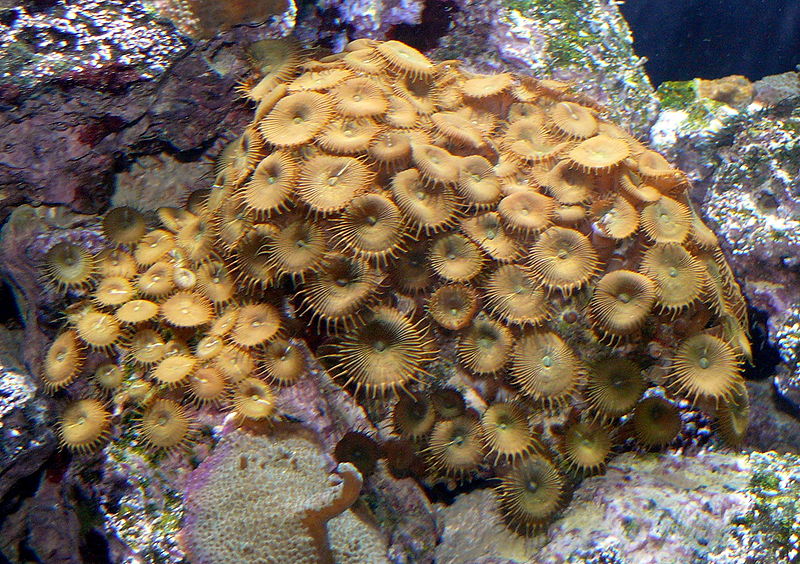
Second, Palytoxin fears are largely overblown. There are a few important factors worthy of discussion. The credible cases of human palytoxin damage are few and far between. Then these cases generally are the results of extraordinary circumstances, for instance a person who worked in commercial scale coral fragging and spent a day without gloves fragging palythoa, with open cuts on their hand, was hospitalized. Then the more common one is someone cleaning rocks of palythoa, either by boiling or vigorous scrubbing which is claimed to aresolize the toxin. to my knowledge, there is very little credibility to zoanthids and palythoa being dangerous under normal tank conditions. Some basic precautions should be taken when fragging, or when removing palythoa/zoanthids from the tank. Gloves should be used when fragging, (though I often don't when fragging them in tank) When removing them from tank it can be advisable to wear safety glasses or a face shield as they can sometimes squirt liquid from their body, and it is claimed that this can result in palytoxin in the eyes or mouth which may be dangerous. A basic awareness of palytoxin and a small amount of caution when handling zoanthids/palythoa and it is perfectly approachable family of corals and an excellent addition to most tanks. Thousands of reef keepers handle these corals every day without incident. I have decent sized colonies, of green palythoa and red zoanthids, in my tank, and almost every one of my reef keeping friends keep them in their tanks. Unless you are doing something unusual like boiling your rocks to get rid of them or fragging large quantities without proper PPE then there is little danger.