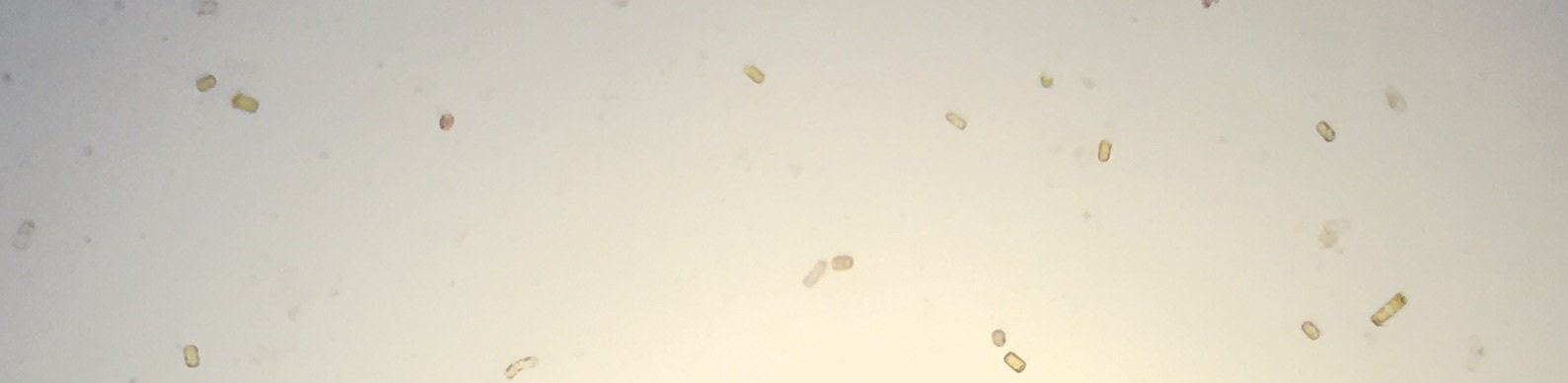
A follow up on my own question here sourced from Algae Barn's website:
“THAL”
Thalassiosira weissflogii :: Unflagellated Diatom :: 5 – 32 microns Thal is the largest strain of
phytoplankton we offer. As a beneficial diatom, this algae consumes silicates, restricting the growth of harmful dinoflagellates and silicates. Cycle time is reduced by adding Thal to your tank!
I suppose this ingredient may be useful for a "newly" established tank as a preventive for dinoflagellates as stated by Algae Barn. If I were actively seeking such a preventive one could surmise that this would be a "stand alone" product and not something included in a supplement for coral nutrition.
Algae Research and Supply on the other hand focuses solely on coral nutrition it would appear.
PORPHYRIDIUM (PORPHYRIDIUM CRUENTUM)
Aquarium Benefits:
- Pigmentation:
- Phycoerythrin. This pigment is one of the few red pigments.
- Pigments incorporated by filter feeders into their flesh
- Aquarium Animal Health Benefits:
- Tank ecosystem
- Nitrogen compounds can be scavenged by actively growing phytoplankton
Background on the strain:
The red algae are mostly macroalgae (large multicellular and visible with the naked eye), but P
orphoridium is one of the few that are planktonic microalgae. The red microalga
Porphyridium (Rhodophyta) is a potential source for several products like fatty acids, lipids, cell-wall polysaccharides and pigments. The polysaccharides of this species are sulphated and their structure gives rise to some unique propertiesthat could lead to a broad range of industrial and pharmaceutical applications. additional,
P. cruentum biomass containing carbohydrates of up to 57% have been reported. Thus, the combined amount of carbohydrates in biomass and exopolysaccharides of this microalga could potentally provide the source for bio-fuel and pharmaceuticals. The red pigment is a large protein called a phycoerythrin. It is one of the few water soluble photosynthetic pigments.
This only solidifies my decision to use Algae Research and Supply's Phytoplankton over Algae Barns. If I wanted a dinoflagellate preventive then I would seek one out. Thanks but no thanks Algae Barn. I hope this is useful for those seeking optimum coral nutrition and health and provides insight into the differences between these two products.