Resealing Tanks

Instigate

Valuable Member
View Badges
Joined
Jun 7, 2017
Messages
1,695
Reaction score
1,401
Location
Outa here!
Rating - 0%
0   0   0
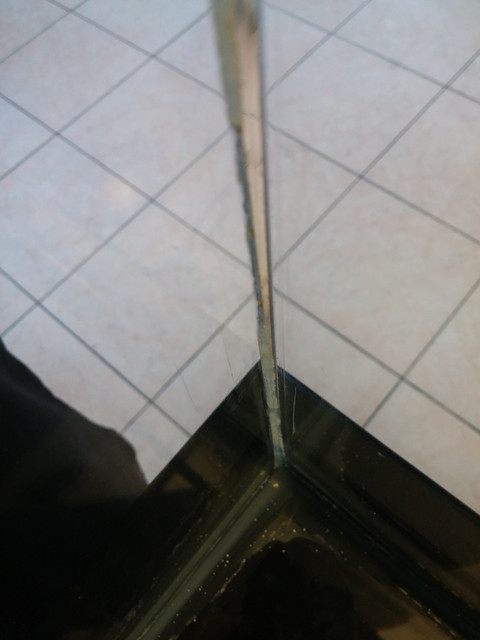
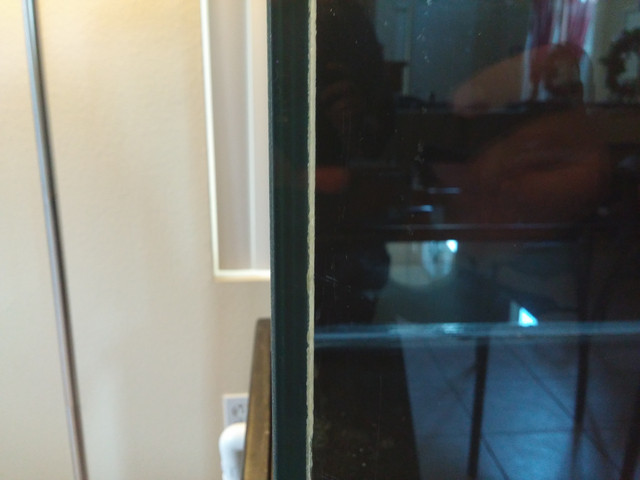
I have been researching resealing aquariums because I just bought a used 135 gallon but the silicone doesn't look great all along the front bottom. I have seen people say at this size tank you need to completely disassemble it and replace all silicone. But I have also seen people say it's no big deal to just redo the silicone that isn't between the glass panels. I would like to see arguments from both sides.

Could it be that people that have had issues just didn't do a good job? This tank I'm considering resealing has a metal frame.

20170625_170448.jpg


20170630_102411.jpg


20170630_102450.jpg


20170630_102522.jpg
 
The silicone between the panels is what's doing all the work.

The rest (the part that's all chewed up) is either cosmetic or just to keep gunk out of the corners or just to protect the silicone that's really doing the work.
 
The way I tend to look at tank resealing is this.

Get a 5 gal bucket of tap water and dump it on the floor where you want to put the tank.

While cleaning it up think about how bad 100+ gallons of saltwater + dying critters will be to clean up.

Then get a quote for a new tank from the Lfs. I know I'm kinda spoiled out here in Vegas but tanks aren't really too expensive. (Especially not compared to the rest of the equipment and what goes in them.)
 
As long as it doesn't leak now, cleaning up the seams isn't hard to do. Just make sure you clean the glass of all silicone (leaving the silicone between the panes of glad intact) so the new bead can bond cleanly.
 
So I guess I'm wondering now, would redoing the seams add years to this tanks lifespan? Or is it really purely cosmetic?
 
So I guess I'm wondering now, would redoing the seams add years to this tanks lifespan? Or is it really purely cosmetic?

It won't hurt that's for sure, but I wouldn't go as far as saying it's purely cosmetic. It does have some holding power, but the main part is the bead in between the panes.
 
It won't hurt that's for sure, but I wouldn't go as far as saying it's purely cosmetic. It does have some holding power, but the main part is the bead in between the panes.

I got you. So I shouldn't be concerned about the whole new silicone not bonding to old thing?
 
I got you. So I shouldn't be concerned about the whole new silicone not bonding to old thing?
Over the deal between the glass? No, there isn't much you can do for that but make sure you clean the glass of all silicone before resealing.
 
@Instigate If you aren't familiar with silicone already, do not make your tank your pilot project.

Even if you were already "fluent in silicone" and able to build your own tank, it would be lame to start with glass that had already been contaminated with fully-cured silicone along all the critical edges. Silicone can be almost impossible to remove completely. How will you know that you missed a little spot? ;Nailbiting (Even considering all the special tools and all the special compounds created specifically for removing silicone residue. Silicone is tough stuff – very well designed to not come off.)

If it's holding water currently and was never known to have an issue, I'd leave it alone – either use it or sell it. :)
 

IF YOU HAD TO TAKE A REEFING EXAM, WOULD YOU PASS?

  • Yes!

    Votes: 32 45.7%
  • Not yet, but I have one that I want to buy in mind!

    Votes: 9 12.9%
  • No.

    Votes: 26 37.1%
  • Other (please explain).

    Votes: 3 4.3%
Back
Top