- Joined
- Apr 20, 2022
- Messages
- 55
- Reaction score
- 17
- Location
- Salt Lake City
- What state or country do you live in
- Utah
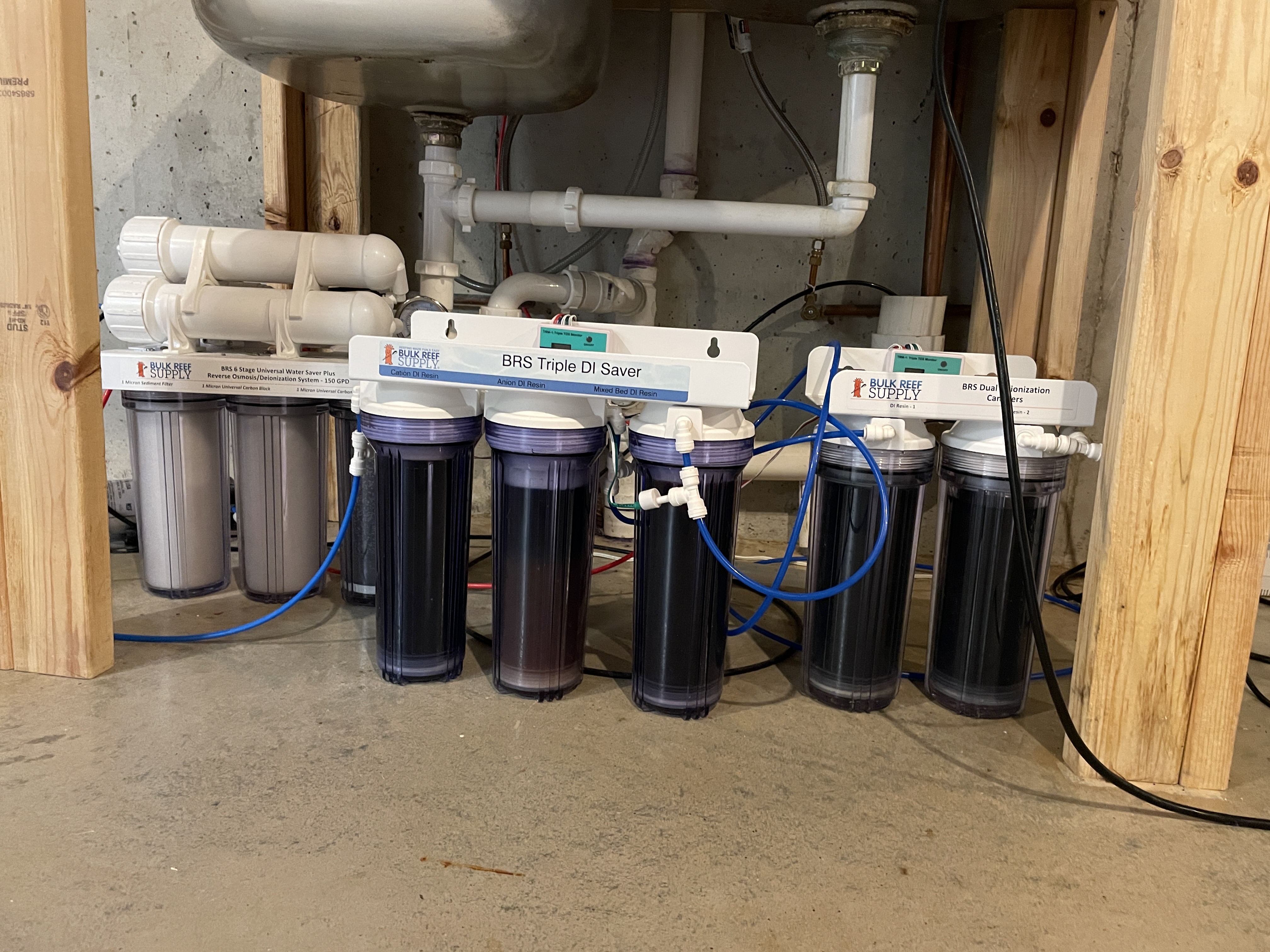
So my tank is a little over a year old and the first 6 months everything was going great and having a lot of fun. I got a booster for my RODI unit and it’s been crap since. Phoshates have always been over .1 since that time. I finally took the booster off and just went with straight RODI. So I got new filters and a new RO cartridge replacement as well as new DI resin. So I tested the water that was going to be a water change and the phosphates were .05 on a Hanna checker and I also tested with Red Sea at .04. Is this normal? I have always had my TDS say 0. I got hair algae and large cell Amphidinium which both started around this time. Just wondering what to do. It’s been a tough and expensive problem to have. Current phos is around .08 in the tank. But has been about .16 for months. Nitrates between 8-10. Also have been running GFO for months to try and get phos down.