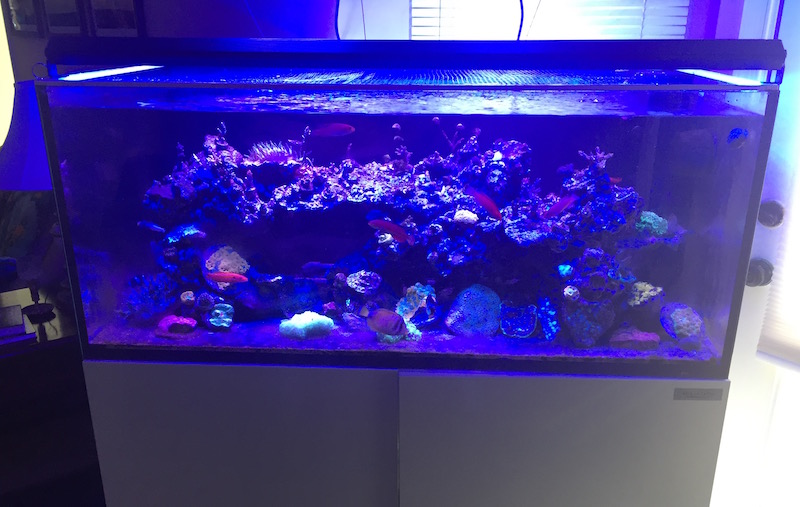
It seems hit or miss. I actually did full tank cipro treatment twice. The first time when the very first torch got sick. All the torches fluffed up after treatment and it seemed all was good. Months down the road and 3 more torches died. The second time was when cipro was mixed with the KFC method. It just seems like a blind guessing game and not worth the potential future risks.
I did notice when I decided to absolutely do no more antibiotics, I dipped the last sick torch in only PolypLab Reef Primer after the illness re-immerged. It actually got better and survived another week or so where it was showing signs of certain death in at least 24-48 hours in my experience. So it did help but was not enough. When it showed small signs of improvement just by a reef primer dip I really began inspecting for pests but did not find any at all. I dipped it again but it seemed to have gotten too weak to survive the stress. Nothing was in the dip cup either. The small sign of improvement and the small life extension it got after the dip is showing me that I should absolutely dip everything that goes in my future tanks with reef primer specifically. Not a cure at all but hopefully one step closer to prevention. The only problem I see is if the pathogens are internal to the coral. That will probably make things near impossible to fix. Then my hope is better coral nutrition to give it a better fighting chance to resist the pathogen on its own.
Going back to this article
Chemical and genomic characterization of a potential probiotic treatment for stony coral tissue loss disease
"The rise of antibiotic-resistant pathogens could render the sole treatment for SCTLD useless and leave managers without a direct mitigation tool. In addition, like most antibiotics, amoxicillin does not provide lasting protection and needs to be repeatedly administered if the initial treatment fails or if the coral is reinfected, which has been observed with SCTLD
11,
12,
13. The latter is concerning, because the agents responsible for SCTLD are unidentified and waterborne;
7 therefore, they are present in the environment and capable of reinfecting hosts. Cumulatively, these concerns highlight the need for additional treatment or prevention strategies for SCTLD. One such alternative is the use of beneficial microorganisms, e.g., probiotics, as a potential treatment for coral diseases
16."
The most concerning part IMO. Its not a cure, just a band aide as many of us are witnessing now. Only a matter of time until we mutate these pathogens if not already out there in some ones tank. And we all know how easily unseen pests spread through the hobby. I reaaaaally wished this was the answer to a one shot and done cure but it appears not the case at all.
"McH1-7 is the most chemically characterized coral probiotic that is an effective prophylactic and direct treatment for the destructive SCTLD as well as a potential alternative to antibiotic use."
From my unprofessional understanding (an engineer not a biologist) McH1-7 they speak of is derived from Pseudoalteromonas sp. F-420. My aquabiomics test does show Pseudoalteromonadaceae. Is that the same thing or very similar? If so could someone isolate that strain and culture it. It is in my test but very little.
I think the key here is finding the right strains of bacteria similar to that study, culturing it, then "feeding" it to the coral. Also from my understanding each coral has its own unique localized microbiome and just administering new bacteria is great, it seems they need to ingest it to experience the benefits of improving their personalized microbiome.
Man I'm really going down a rabbit hole lately