When I've been contacted to help with systems having problems similar to yours it takes several months to shift the equilibrium of the system so corals are happy again. I'd would be doing roughly 10% water changes every week or two weeks but not more than 30% monthly. Using
stainless steel straws may help remove the algae, especially around the corals. I would pull as much rock out as is practical and scrub them off in aquarium water then return. I certainly wouldn't be shy with just tossing a rock if it doesn't have any corals or cryptic sponges and isn't essential for the aquascaping. I would be running lots of GAC and also GFO if PO4 is over .5 mg/l. If you have access to one, running a diatom filter for a day a couple times a month will help reduce the microbial load and hopefully let the corals restore what's beneficial fo rthem.
Here's two threads I did on the local forum to give you an idea of the process:
Nuisance algae in reef systems is pretty much a ubiquitous problem, and one that is a common source of frustration for reef aquarists. It is also one I've learned to view the problem very differently than what is generally portrayed and it just takes a few rather basic steps, and patience. (This ...

www.austinreefclub.com
Nuisance algae in reef systems is pretty much a ubiquitous problem, and one that is a common source of frustration for reef aquarists. It is also one I've learned to view the problem very differently than what is generally portrayed and it just takes a few rather basic steps, and patience. (This ...
www.austinreefclub.com
These refferences may help understand the microbial processes we're dealing with:
"Coral Reefs in the Microbial Seas" This video compliments Rohwer's book of the same title (Paper back is ~$20, Kindle is ~$10), both deal with the conflicting roles of the different types of DOC in reef ecosystems. While there is overlap bewteen his book and the video both have information not covered by the other and together give a broader view of the complex relationships found in reef ecosystems
Changing Seas - Mysterious Microbes
Nitrogen cycling in hte coral holobiont
BActeria and Sponges
Maintenance of Coral Reef Health (refferences at the end)
Optical Feedback Loop in Colorful Coral Bleaching
Indirect effects of algae on coral: algae‐mediated, microbe‐induced coral mortality

onlinelibrary.wiley.com
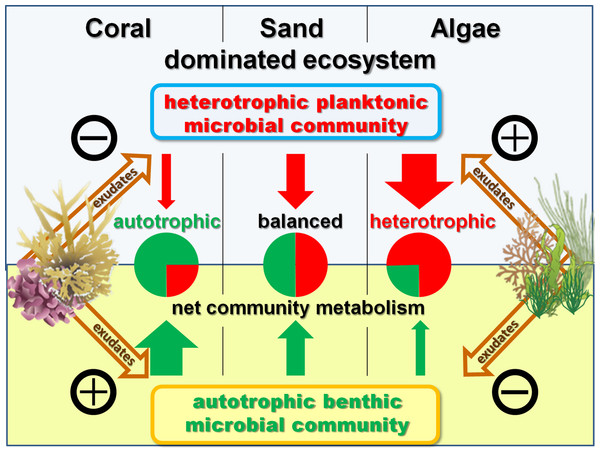
Influence of coral and algal exudates on microbially mediated reef metabolism.
Coral DOC improves oxygen (autotrophy), algae DOC reduces oxygen (heterotrophy).
Benthic primary producers in tropical reef ecosystems can alter biogeochemical cycling and microbial processes in the surrounding seawater. In order to quantify these influences, we measured rates of photosynthesis, respiration, and dissolved organic carbon (DOC) exudate release by the dominant...

peerj.com
Role of elevated organic carbon levels and microbial activity in coral mortality
Effects of Coral Reef Benthic Primary Producers on Dissolved Organic Carbon and Microbial Activity
Algae releases significantly more DOC into the water than coral.
Benthic primary producers in marine ecosystems may significantly alter biogeochemical cycling and microbial processes in their surrounding environment. To examine these interactions, we studied dissolved organic matter release by dominant benthic taxa and subsequent microbial remineralization in...

journals.plos.org
Pathologies and mortality rates caused by organic carbon and nutrient stressors in three Caribbean coral species.
Starch and sugars (doc) caused coral death but not high nitrates, phosphates or ammonium.
Microbial ecology: Algae feed a shift on coral reefs
Human pressures on coral reefs are giving macroalgae a competitive advantage over reef-building corals. These algae support larger, and potentially pathogenic, microbial populations that are metabolically primed for less-efficient, yet faster, carbohydrate remineralization, perpetuating a...

www.nature.com
Coral and macroalgal exudates vary in neutral sugar composition and differentially enrich reef bacterioplankton lineages.
Increasing algal cover on tropical reefs worldwide may be maintained through feedbacks whereby algae outcompete coral by altering microbial activity. We hypothesized that algae and coral release compositionally distinct exudates that differentially alter bacterioplankton growth and community...

www.ncbi.nlm.nih.gov
Sugar enrichment provides evidence for a role of nitrogen fixation in coral bleaching
onlinelibrary.wiley.com