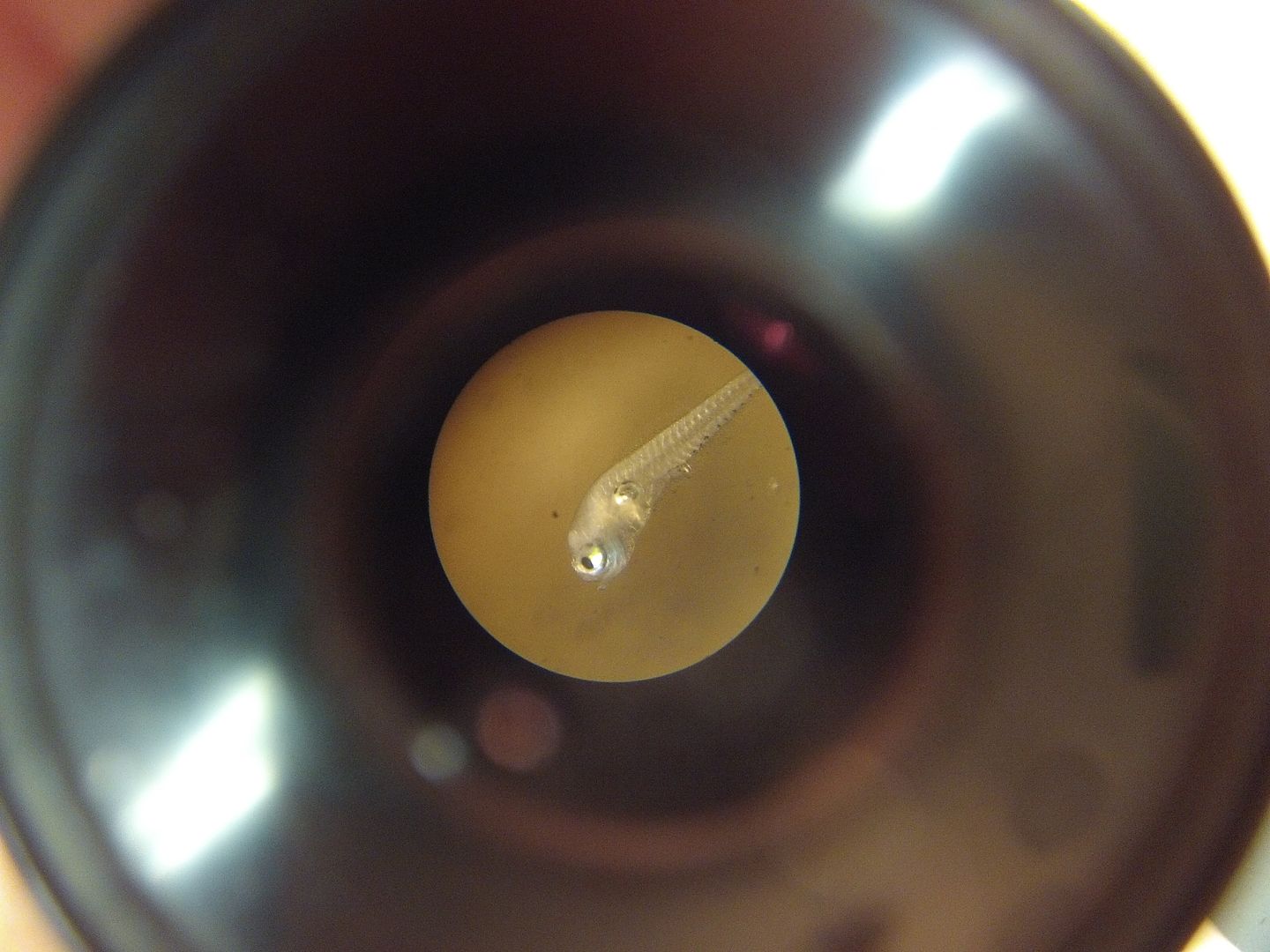
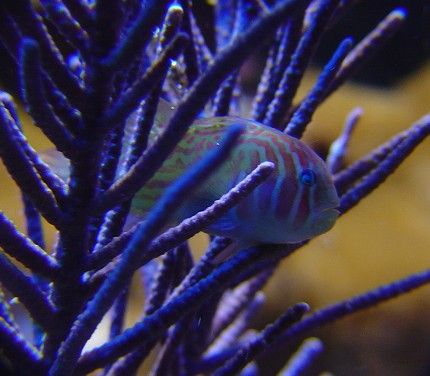
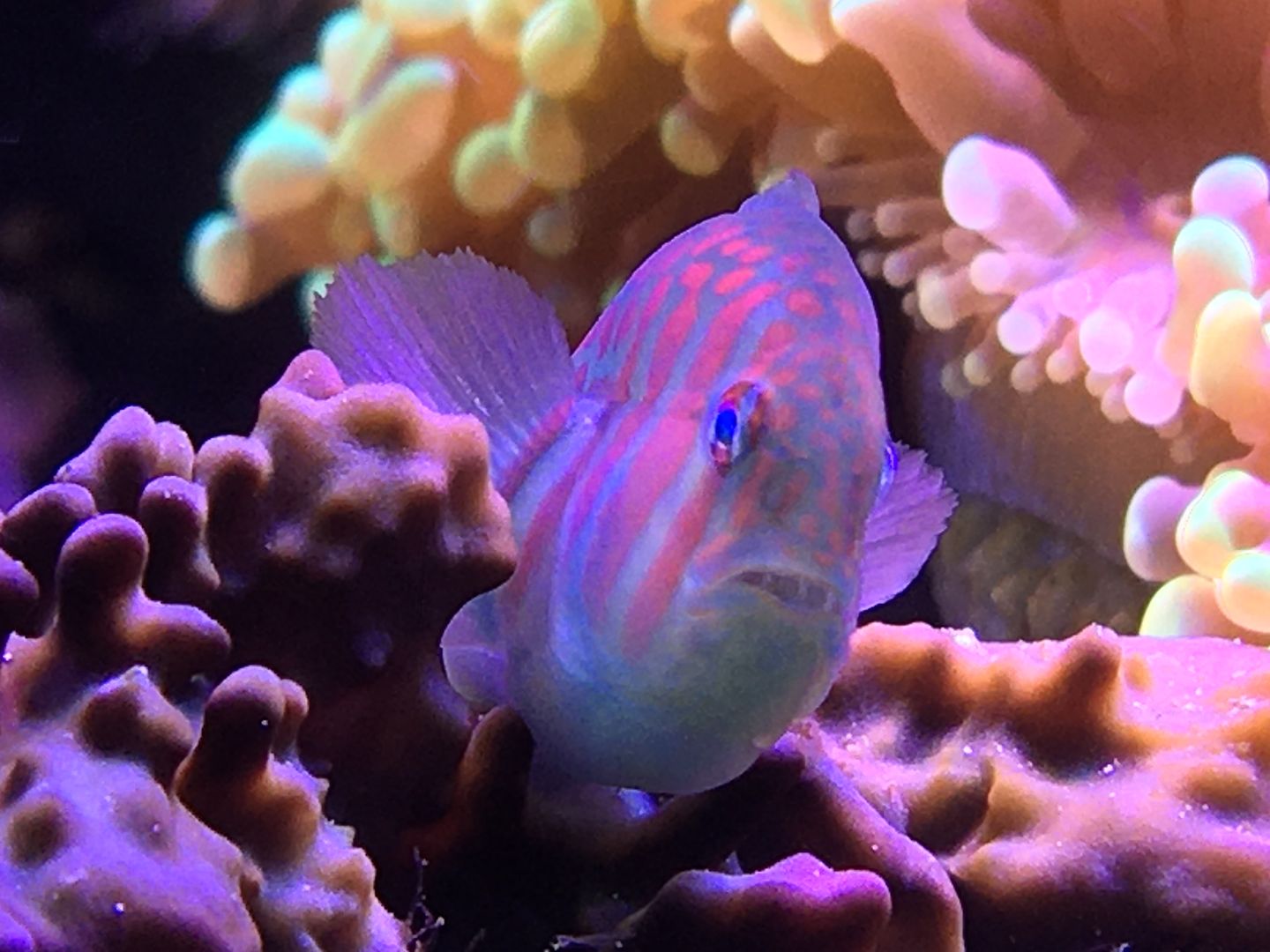
"Larvae of clown gobies and
Paragobiodon spp. are generally smaller than cleaner gobies and may require live feed organisms of a smaller size (smaller than 180 μm) (Wittenrich 2007; Calado 2017). Additional studies have shown increased survival rates during first feeding using small ciliates (
Euplotes spp.), rotifers (
B. rotundiformis), and enriched brine shrimp (Olivotto et al. 2005). As the larvae begin to grow, they can be gradually transitioned from smaller plankton to larger brine shrimp at about 7 days post hatch (DPH). The feeding regimen should have an overlap or "weaning" period that includes both types of live feed so that smaller individuals do not starve. As growth and development of the larvae continue, they can be weaned from live feeds to commercial microparticulate larval feeds. These commercial diets are normally introduced around the time of settlement."*
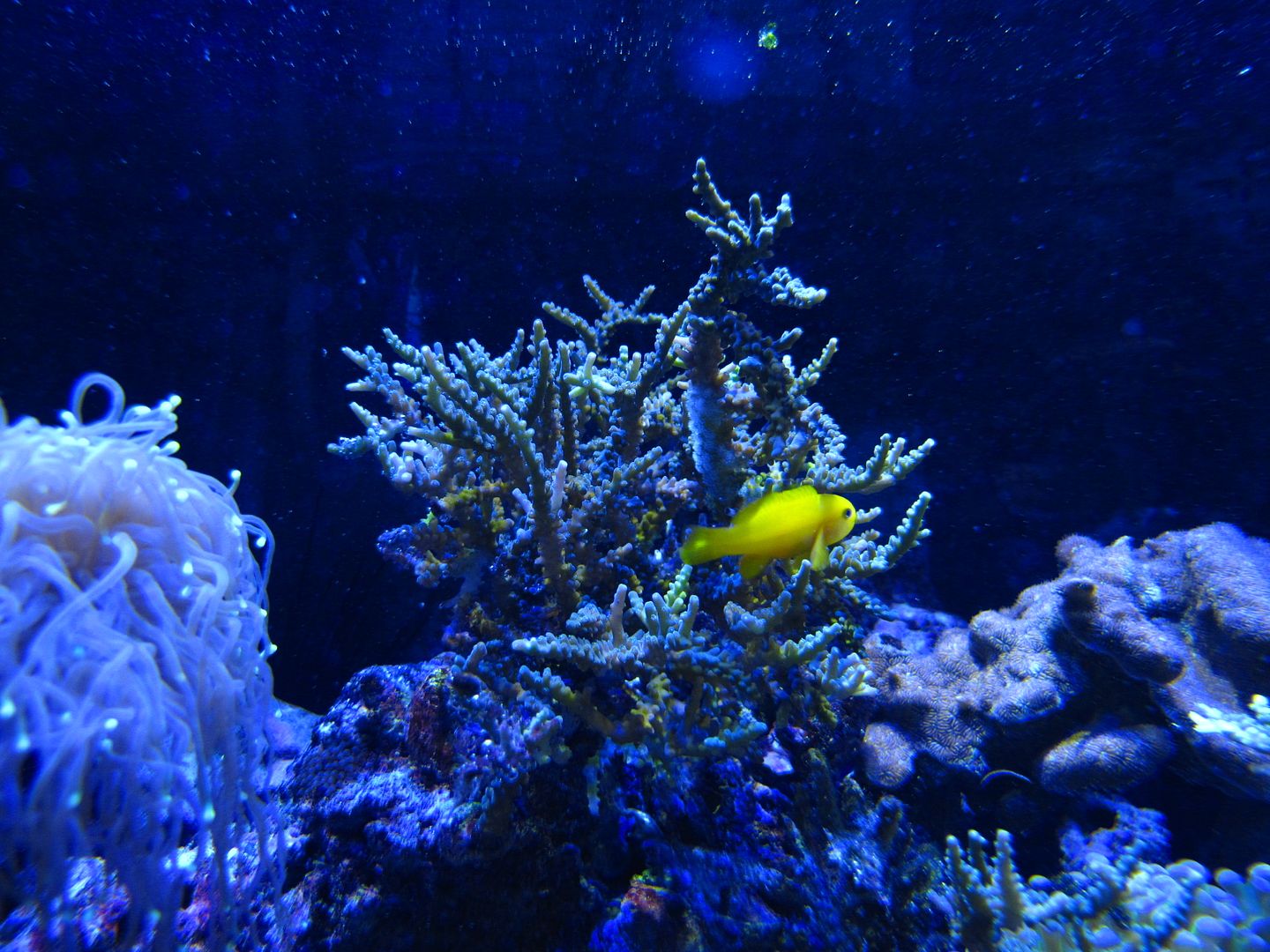
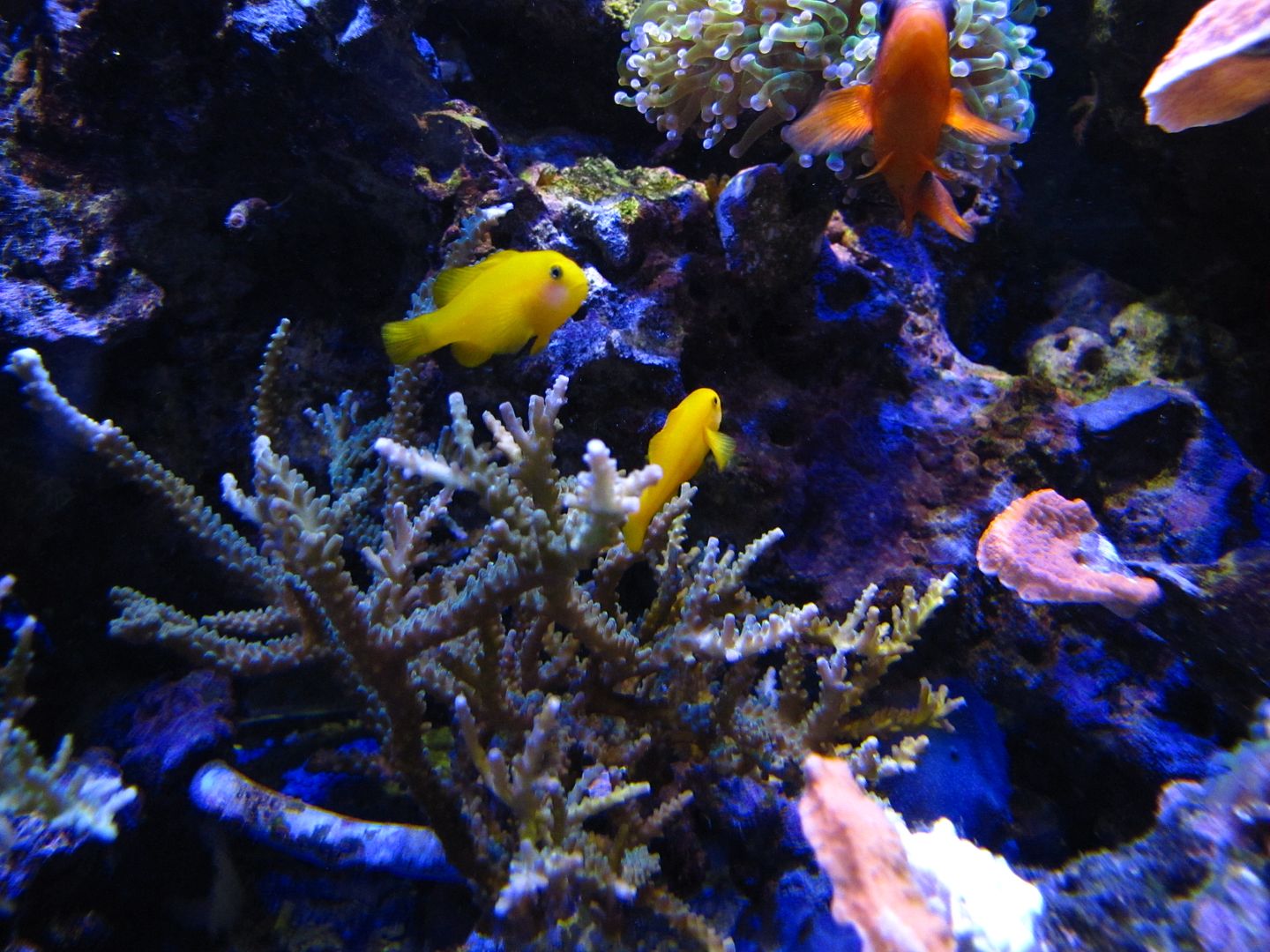
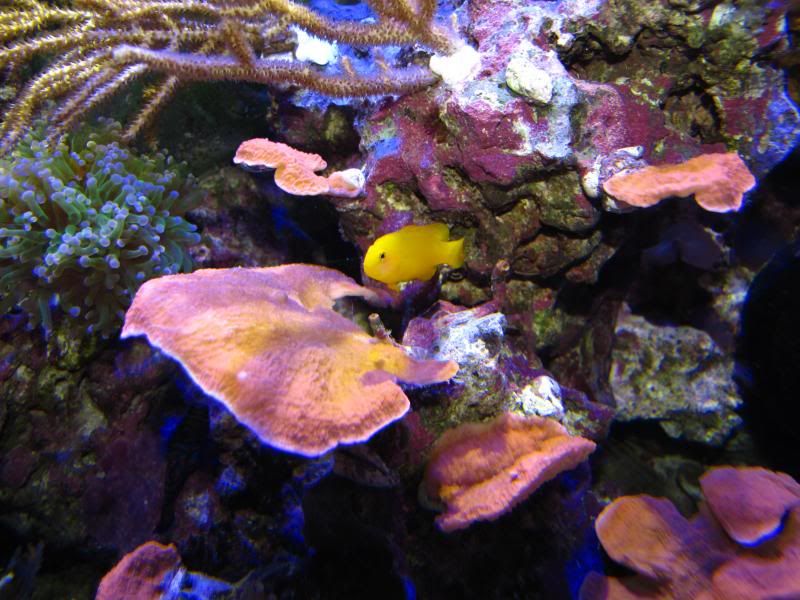
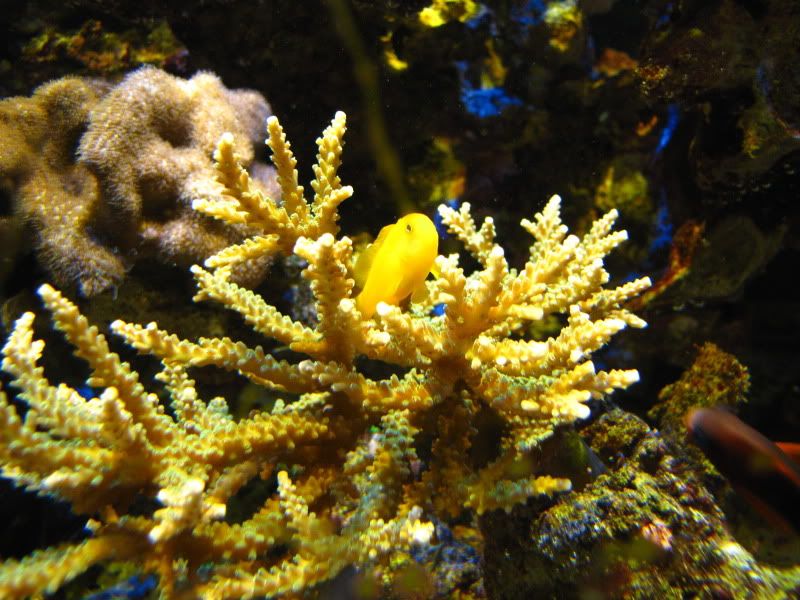
"Although captive spawning is a regular occurrence in
Gobiodon species, raising the small fry seems to be less than easy. Obtaining a pair is simply a matter of obtaining two of the same species, since they will change sex to become a mated pair. Once mated, the female will attach circular bands of eggs around the branches of their preferred coral. The male immediately fertilizes and guards the eggs. The egg mass, that can contain up to 1000 eggs, hatches on the evening of the fourth or fifth day. Rotifers should be the first food offered to fry, with a possible transition to newly hatched
Artemia nauplii around day 25. Around day 33, the fry go through a metamorphosis, settle, and begin to perch on the sides of the aquarium's glass. Their first coloration has been noted to occur on day 40 (Breeder's Registry)."**
*Source:
University of Florida, Institute of Food and Agricultural Sciences Extension outreach is a partnership between state, federal, and county governments to provide scientific knowledge and expertise to the public. The University of Florida (UF), together with Florida A&M University (FAMU)...

edis.ifas.ufl.edu
**Source:













.jpg)