An interesting Idea about 'New tanks'

A couple comments - some I've already given my opinion on. I tagged @AquaBiomics - who has done bacterial studies on thousands of tanks. Over time - once reaching its saturation, bioDIVERSITY, not bioMASS tends to decrease, as various microbes, fungi, viruses, protozoa, algae, find their niche and out-compete other species.

There are several; studies out there - suggesting that adding new bacteria to a tank (i.e. an established tank) - will not add more 'diversity'. instead 1 of 2 things will happen - either the new additions will outcompete the old - and establish themselves - or the new additions will simply die off. Look at it this way - if you took 100 acres, added 2 lions, 200 sheep, 200 goats, 200 pigs - and just looking at the 'animals' when considering biodiversity. In a couple years which type and how many animals do you think would be alive? Would there be more or less 'biodiversity'. My understanding - is that in a closed system like our tanks or the fairy silly example I used above is extremely difficult to control/increase past a certain point.

Certainly - during the first several months of owning an aquarium, biodiversity is increasing each time we add a fish, or a coral or a crab - and all of those things are going to contain new life as well. Eventually that will peak - and start to decline - and my guess (depending on when you stop adding new stuff) is that happens shortly after you start adding new animals.
I pretty much agree with this thinking. The large gains from "diversity" come only in the beginning, and versus a dead rock/bottled bacteria start.

That said, there are instances in mid & later tank life when a "refresh" can be helpful. A period of nutrient starvation or the popular dosing of antibiotics to manage cyano can really throw things out of balance.
 
I love this thread.
Sorry man In all the excitement I hit post before I was done lol!
I have been reading about alot of topics you guys are discussing as well as following various aquabiomics results posted.
Not to get to far off topic I cant help but think about how I mixed 100lbs fiji rock with 200lbs gulf rock in my old system and if one or the other biome out competed the other. Fiji was baren and desolate when I recieved it but pretty well colonized with life from gulf rock a year and a half later. Wonder if that could be discerned in an @AquaBiomics test!
 
Last edited:
New plastics, and all plastics that are flexible as in vinyl and PVC tubing contain plasticizes. These chemicals slowly release into the water. They have been tested for many years on humans and the environment and are considered safe. But I doubt they have been tested in the confines of an aquarium.

That is why vinyl tubing hardens over time. But I don't think this contributes to the demise of new tanks in a way that would be that detrimental although definitely not a benefit.


What are plasticizers and what are their benefits?​

Plasticizers are colorless and odorless esters, mainly phthalates, that increase the elasticity of a material (e.g., polyvinylchloride (PVC)).


Plasticizers soften the PVC to make it flexible and bendable. This opens up a huge range of possibilities for new applications. One of the main benefits of plasticizers is the durability they confer onto PVC applications, which can ensure high performances for up to 50 years. Without plasticizers, PVC can only be rigid, such as the PVC used in wastewater pipes.

What types of products are plasticizers used in?​

Around 90 % of all plasticizers are used in the production of flexible polyvinyl chloride (PVC), also known as vinyl. The main applications for flexible PVC include flooring and wall coverings, roofing membranes, electrical cable and wire insulation, automotive applications, medical devices, synthetic leather goods, and so forth. Some plasticizers can also be used in rubber products, paints, printing inks, adhesives, and sealants for professional use. The use of plasticizers in all applications is strictly regulated.

What are they made of?​

Plasticizers are produced by a reaction of an alcohol with an acid such as adipic acid, phthalic anhydride, and so forth. The choice of alcohol and acid will determine the type of ester that can be produced and hence the kind of plasticizer. The combinations are almost endless, but only a very limited number have survived the rigorous performance, cost, availability, health, and environmental requirements that are imposed by the market including by users and regulation.

What are the key safety, health, and environmental issues related to plasticizers?​

Plasticizers are among the most widely researched of all chemical substances. In Europe, the safe use of plasticizers is enabled by Registration, Evaluation, Authorisation and Restriction of Chemicals (REACH), the most comprehensive product safety regulation in the world.

Many studies have been conducted in recent years to evaluate plasticizers’ effects on humans and on the environment, migration of phthalates, their presence in indoor air and dust, and so forth. Endocrine disruption effects, which means that the substance can interact with the hormone system of mammals, have been extensively evaluated to date. Only four low orthophthalates – di(2-ethylhexyl)phthalate (DEHP), dibutyl phthalate (DBP), diisobutyl phthalate (DIBP), and n-butyl benzyl phthalate (BBP) – have been found to have any adverse endocrine-related effects in laboratory animal studies with specific thresholds. Authorization has been recommended for DEHP and DBP on the basis of adequate control; no authorization request has been made for DIBP and BBP, and these substances cannot continue to be used in Europe as of February 2015 for REACH-related applications.


At the end of 2014, the European Chemicals Agency (ECHA) Member States Committee concluded that DEHP is an endocrine disruptor of equivalent level of concern for its environmental properties. The science on DEHP does not support such a conclusion, as the weight of evidence shows that DEHP does not cause adverse endocrine effects in fish and other aquatic organisms.


All other plasticizers have not been classified for any adverse health effects and do not cause adverse effects by means of an endocrine mechanism. Hence they are not endocrine disruptors. This has been confirmed by the ECHA after a four-year re-evaluation of the hazard and exposure data for two of the most widely used plasticizers, diisononyl phthalate (DINP) and diisodecyl phthalate (DIDP), including extensive reproductive and endocrine data.
 
IMO I think "New vs Mature" tank(s) is the stability issue. New tanks go through alot of swings, that's why many seasoned reefers recommend waiting before adding finicky corals & nems.
 
New plastics, and all plastics that are flexible as in vinyl and PVC tubing contain plasticizes. These chemicals slowly release into the water. They have been tested for many years on humans and the environment and are considered safe. But I doubt they have been tested in the confines of an aquarium.

That is why vinyl tubing hardens over time. But I don't think this contributes to the demise of new tanks in a way that would be that detrimental although definitely not a benefit.


What are plasticizers and what are their benefits?​

Plasticizers are colorless and odorless esters, mainly phthalates, that increase the elasticity of a material (e.g., polyvinylchloride (PVC)).


Plasticizers soften the PVC to make it flexible and bendable. This opens up a huge range of possibilities for new applications. One of the main benefits of plasticizers is the durability they confer onto PVC applications, which can ensure high performances for up to 50 years. Without plasticizers, PVC can only be rigid, such as the PVC used in wastewater pipes.

What types of products are plasticizers used in?​

Around 90 % of all plasticizers are used in the production of flexible polyvinyl chloride (PVC), also known as vinyl. The main applications for flexible PVC include flooring and wall coverings, roofing membranes, electrical cable and wire insulation, automotive applications, medical devices, synthetic leather goods, and so forth. Some plasticizers can also be used in rubber products, paints, printing inks, adhesives, and sealants for professional use. The use of plasticizers in all applications is strictly regulated.

What are they made of?​

Plasticizers are produced by a reaction of an alcohol with an acid such as adipic acid, phthalic anhydride, and so forth. The choice of alcohol and acid will determine the type of ester that can be produced and hence the kind of plasticizer. The combinations are almost endless, but only a very limited number have survived the rigorous performance, cost, availability, health, and environmental requirements that are imposed by the market including by users and regulation.

What are the key safety, health, and environmental issues related to plasticizers?​

Plasticizers are among the most widely researched of all chemical substances. In Europe, the safe use of plasticizers is enabled by Registration, Evaluation, Authorisation and Restriction of Chemicals (REACH), the most comprehensive product safety regulation in the world.

Many studies have been conducted in recent years to evaluate plasticizers’ effects on humans and on the environment, migration of phthalates, their presence in indoor air and dust, and so forth. Endocrine disruption effects, which means that the substance can interact with the hormone system of mammals, have been extensively evaluated to date. Only four low orthophthalates – di(2-ethylhexyl)phthalate (DEHP), dibutyl phthalate (DBP), diisobutyl phthalate (DIBP), and n-butyl benzyl phthalate (BBP) – have been found to have any adverse endocrine-related effects in laboratory animal studies with specific thresholds. Authorization has been recommended for DEHP and DBP on the basis of adequate control; no authorization request has been made for DIBP and BBP, and these substances cannot continue to be used in Europe as of February 2015 for REACH-related applications.


At the end of 2014, the European Chemicals Agency (ECHA) Member States Committee concluded that DEHP is an endocrine disruptor of equivalent level of concern for its environmental properties. The science on DEHP does not support such a conclusion, as the weight of evidence shows that DEHP does not cause adverse endocrine effects in fish and other aquatic organisms.


All other plasticizers have not been classified for any adverse health effects and do not cause adverse effects by means of an endocrine mechanism. Hence they are not endocrine disruptors. This has been confirmed by the ECHA after a four-year re-evaluation of the hazard and exposure data for two of the most widely used plasticizers, diisononyl phthalate (DINP) and diisodecyl phthalate (DIDP), including extensive reproductive and endocrine data.


Hi Paul. I think it was this article on micro plastics and effects of plasticizers that really got me thinking about my old tub system. What are your thoughts?
 
Lots of people use big tubs for sumps.
 
Lots of people use big tubs for sumps.
I'm still using 64 gallon totes as sumps. I found that nuisance algae didn't like to grow in them in my last system so I carried on with them in new system.
The concrete mixing tubs I was using where a whole different story.
 
LRT. We know that plasticizers are not the best thing for the environment but they are needed if we want any flexible plastics. I don't think they would be much of a concern in a new tank (although I am not a chemist so guessing) because new tanks are new and plastizers take a very long time to leach out into the water and over that time (many years) many water changers would have been done.

I have some vinyl tubing on my tank for about 5 years and it is still "kind of" flexible so any plasticizers that leached out over that time would have been miniscule.

My make up water tank is a PVC bucket and water stays in there for days or weeks before it is used. I also keep my newly collected seawater in PVC sometimes for months.

Remember almost all our food comes in plastic containers and some of it sits in those containers for years.

So in short, I am not sure of the answer. But I also feel not only lack of biodiversity is the problem but the length of time that biodiversity was in the tank is the key. Just throwing diversity in a tank is not going to do it because all those organisms along with bacteria, viruses, funguses and parasites all interact with each other for years until they reach an equilibrium where not one or the other is overwhelming the other.

Viruses and fungi attack bacteria which all attack parasites. Viruses also attack bacteria and fungus. Parasites have their own immune system that ebbs and wanes due to environmental factors just as our fish do.

We fail to realize this when we have a problem and wrongly feel we can fix the problem by adding or removing a chemical.
That is the reason we have a disease forum.
 
I pretty much agree with this thinking. The large gains from "diversity" come only in the beginning, and versus a dead rock/bottled bacteria start.

That said, there are instances in mid & later tank life when a "refresh" can be helpful. A period of nutrient starvation or the popular dosing of antibiotics to manage cyano can really throw things out of balance.
Yes completely agree - seems like that would be 'opening up a potential new niche' - into which new bacteria could grow!!
 
New plastics, and all plastics that are flexible as in vinyl and PVC tubing contain plasticizes. These chemicals slowly release into the water. They have been tested for many years on humans and the environment and are considered safe. But I doubt they have been tested in the confines of an aquarium.

That is why vinyl tubing hardens over time. But I don't think this contributes to the demise of new tanks in a way that would be that detrimental although definitely not a benefit.

What are plasticizers and what are their benefits?​

Plasticizers are colorless and odorless esters, mainly phthalates, that increase the elasticity of a material (e.g., polyvinylchloride (PVC)).


Plasticizers soften the PVC to make it flexible and bendable. This opens up a huge range of possibilities for new applications. One of the main benefits of plasticizers is the durability they confer onto PVC applications, which can ensure high performances for up to 50 years. Without plasticizers, PVC can only be rigid, such as the PVC used in wastewater pipes.

What types of products are plasticizers used in?​

Around 90 % of all plasticizers are used in the production of flexible polyvinyl chloride (PVC), also known as vinyl. The main applications for flexible PVC include flooring and wall coverings, roofing membranes, electrical cable and wire insulation, automotive applications, medical devices, synthetic leather goods, and so forth. Some plasticizers can also be used in rubber products, paints, printing inks, adhesives, and sealants for professional use. The use of plasticizers in all applications is strictly regulated.

What are they made of?​

Plasticizers are produced by a reaction of an alcohol with an acid such as adipic acid, phthalic anhydride, and so forth. The choice of alcohol and acid will determine the type of ester that can be produced and hence the kind of plasticizer. The combinations are almost endless, but only a very limited number have survived the rigorous performance, cost, availability, health, and environmental requirements that are imposed by the market including by users and regulation.

What are the key safety, health, and environmental issues related to plasticizers?​

Plasticizers are among the most widely researched of all chemical substances. In Europe, the safe use of plasticizers is enabled by Registration, Evaluation, Authorisation and Restriction of Chemicals (REACH), the most comprehensive product safety regulation in the world.

Many studies have been conducted in recent years to evaluate plasticizers’ effects on humans and on the environment, migration of phthalates, their presence in indoor air and dust, and so forth. Endocrine disruption effects, which means that the substance can interact with the hormone system of mammals, have been extensively evaluated to date. Only four low orthophthalates – di(2-ethylhexyl)phthalate (DEHP), dibutyl phthalate (DBP), diisobutyl phthalate (DIBP), and n-butyl benzyl phthalate (BBP) – have been found to have any adverse endocrine-related effects in laboratory animal studies with specific thresholds. Authorization has been recommended for DEHP and DBP on the basis of adequate control; no authorization request has been made for DIBP and BBP, and these substances cannot continue to be used in Europe as of February 2015 for REACH-related applications.


At the end of 2014, the European Chemicals Agency (ECHA) Member States Committee concluded that DEHP is an endocrine disruptor of equivalent level of concern for its environmental properties. The science on DEHP does not support such a conclusion, as the weight of evidence shows that DEHP does not cause adverse endocrine effects in fish and other aquatic organisms.


All other plasticizers have not been classified for any adverse health effects and do not cause adverse effects by means of an endocrine mechanism. Hence they are not endocrine disruptors. This has been confirmed by the ECHA after a four-year re-evaluation of the hazard and exposure data for two of the most widely used plasticizers, diisononyl phthalate (DINP) and diisodecyl phthalate (DIDP), including extensive reproductive and endocrine data.

Thanks Paul - just to be clear I wasn't suggesting that any of these chemicals would cause the 'demise' of a new tank. But instead, that it may slow coral growth, and that perhaps the tank many not flourish as 'quickly'
 
I wonder if aquacultured fish have ever been tested for microplastics, perhaps as a control group or something.
 
Somebody with a background in Chemistry please explain why ppl here think PVC ( leaching, degradation) could potentially a cause for concern in a coral reef environment. This silly thread is starting to be more than silly.

Polyvinyl Chloride (PVC)​


What is Polyvinyl Chloride (PVC)?
PVC_formula.png


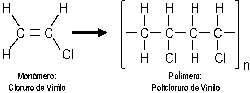
PVC is Polyvinyl Chloride. This is a plastic that has the following chemical formula: CH2=CHCl (see picture on the right).

Plastic covers a wide rage of synthetic or semi-synthetic polymerization products (i.e. long-chain carbon-based "organic" molecules) which name refers to the fact that in their semi-liquid state they are malleable, or have the property of plasticity.

PVC_colors.gif
PVC is a thermoplastic material.
Thermoplastic materials are those that can be melted again and again. These materials can be heated to a certain temperature and will harden again as they cool.

After the First World War, there was a boom in new forms of plastics due to the improvements in the chemical technology sector, including "polystyrene (PS)" and "polyvinyl chloride (PVC)", developed by the I.G. Farben company of Germany.

Nowadays, PVC is commonly used in the construction sector, for example in window frames and shutters, pipe cabling and coating, etc.. Vinyl is also used in gramophone records, and that is why we use the term vinyl records to refer to them. PVC can be used for tons of other applications from industrial ware and widely used in the healthcare sector, to car spare parts, toys factory, food packaging, raingear, etc. (This is described below).

PVC can be clear or colored, rigid or flexible, depending on the added compounds and final application that needs to be achieved; For example there exists different PVC grades such as coast or blow film, high impact, wire and cable grade, thermoforming, injection molding, rotational molding, etc.

How is it produced


The basic raw materials for PVC are derived from salt and oil.
Chlorine is manufactured by the electrolysis of sodium chloride, salt.
This is why the first PVC manufacturing plants were located close to natural sources of salt.

The electrolysis of salt water produces chlorine. The chlorine is then combined with ethylene that has been obtained from oil. The resulting element is ethylene dichloride, which is converted at very high temperatures to vinyl chloride monomer. These monomer molecules are polymerized forming polyvinyl chloride resin.

Read more: https://www.lenntech.com/polyvinyl-chloride-pvc.htm#ixzz70X8U7XdX
 
I’ve found that starting a tank with live rock from an existing tank (at least 5 years old) eliminates the issues.
these tanks have new equipment and PVC. It’s been set up for about a week (using rock I’ve had for 15+ years)
So many people (myself included) start with dry rock and this takes months to even begin getting established. I for one do not use that bacteria in a bottle stuff that many use these days and I see far less issues starting new tanks with dry. I think starting with dry rock as a beginner is a huge mistake.

Well not everyone has that option. Here you can't buy actual LR in a store. Only option is to get some from another reefer but then there's always a risk of introducing diseases. So we're limited to dry rock. It's a necessary "mistake" as you call it.
 
Somebody with a background in Chemistry please explain why ppl here think PVC ( leaching, degradation) could potentially a cause for concern in a coral reef environment. This silly thread is starting to be more than silly.

Polyvinyl Chloride (PVC)​


What is Polyvinyl Chloride (PVC)?
PVC_formula.png


PVC is Polyvinyl Chloride. This is a plastic that has the following chemical formula: CH2=CHCl (see picture on the right).

Plastic covers a wide rage of synthetic or semi-synthetic polymerization products (i.e. long-chain carbon-based "organic" molecules) which name refers to the fact that in their semi-liquid state they are malleable, or have the property of plasticity.

PVC_colors.gif
PVC is a thermoplastic material.
Thermoplastic materials are those that can be melted again and again. These materials can be heated to a certain temperature and will harden again as they cool.

After the First World War, there was a boom in new forms of plastics due to the improvements in the chemical technology sector, including "polystyrene (PS)" and "polyvinyl chloride (PVC)", developed by the I.G. Farben company of Germany.

Nowadays, PVC is commonly used in the construction sector, for example in window frames and shutters, pipe cabling and coating, etc.. Vinyl is also used in gramophone records, and that is why we use the term vinyl records to refer to them. PVC can be used for tons of other applications from industrial ware and widely used in the healthcare sector, to car spare parts, toys factory, food packaging, raingear, etc. (This is described below).

PVC can be clear or colored, rigid or flexible, depending on the added compounds and final application that needs to be achieved; For example there exists different PVC grades such as coast or blow film, high impact, wire and cable grade, thermoforming, injection molding, rotational molding, etc.

How is it produced


The basic raw materials for PVC are derived from salt and oil.
Chlorine is manufactured by the electrolysis of sodium chloride, salt.
This is why the first PVC manufacturing plants were located close to natural sources of salt.

The electrolysis of salt water produces chlorine. The chlorine is then combined with ethylene that has been obtained from oil. The resulting element is ethylene dichloride, which is converted at very high temperatures to vinyl chloride monomer. These monomer molecules are polymerized forming polyvinyl chloride resin.

Read more: https://www.lenntech.com/polyvinyl-chloride-pvc.htm#ixzz70X8U7XdX
I would appreciate it if you woudl - read the post which listed not 1 but 2 scientific articles that you requested. Then - finish that discussion. I have no reason to disbelieve what you posted above - I'm sure its true - but it again ignores the whole topic being discussed. It is new equipment in general. Tin is leached from PVC. It is known. Tin is leached from certain glass. Other organochemicals are leached from plastics. In every case I've read about - over time all of this drops to levels that are meaningless.

Again - the question came to mind (and it was a question - I never said PVC kills things, or anything like that) because another member posted about why his tin level was high though he had added nothing but water. (and that there was no evidence that it was from the salt or water). This was found on an ICP test. It got me wondering - thats it. LOL and lots of people are enjoying the 'silly' discussion. seemingly. Probably because its a 'discussion' board? IDK.
 
Somebody with a background in Chemistry please explain why ppl here think PVC ( leaching, degradation) could potentially a cause for concern in a coral reef environment. This silly thread is starting to be more than silly.

Polyvinyl Chloride (PVC)​


What is Polyvinyl Chloride (PVC)?
PVC_formula.png


PVC is Polyvinyl Chloride. This is a plastic that has the following chemical formula: CH2=CHCl (see picture on the right).

Plastic covers a wide rage of synthetic or semi-synthetic polymerization products (i.e. long-chain carbon-based "organic" molecules) which name refers to the fact that in their semi-liquid state they are malleable, or have the property of plasticity.

PVC_colors.gif
PVC is a thermoplastic material.
Thermoplastic materials are those that can be melted again and again. These materials can be heated to a certain temperature and will harden again as they cool.

After the First World War, there was a boom in new forms of plastics due to the improvements in the chemical technology sector, including "polystyrene (PS)" and "polyvinyl chloride (PVC)", developed by the I.G. Farben company of Germany.

Nowadays, PVC is commonly used in the construction sector, for example in window frames and shutters, pipe cabling and coating, etc.. Vinyl is also used in gramophone records, and that is why we use the term vinyl records to refer to them. PVC can be used for tons of other applications from industrial ware and widely used in the healthcare sector, to car spare parts, toys factory, food packaging, raingear, etc. (This is described below).

PVC can be clear or colored, rigid or flexible, depending on the added compounds and final application that needs to be achieved; For example there exists different PVC grades such as coast or blow film, high impact, wire and cable grade, thermoforming, injection molding, rotational molding, etc.

How is it produced


The basic raw materials for PVC are derived from salt and oil.
Chlorine is manufactured by the electrolysis of sodium chloride, salt.
This is why the first PVC manufacturing plants were located close to natural sources of salt.

The electrolysis of salt water produces chlorine. The chlorine is then combined with ethylene that has been obtained from oil. The resulting element is ethylene dichloride, which is converted at very high temperatures to vinyl chloride monomer. These monomer molecules are polymerized forming polyvinyl chloride resin.

Read more: https://www.lenntech.com/polyvinyl-chloride-pvc.htm#ixzz70X8U7XdX
This is hilarious. I know your stirring pot now as you posted a generalized statement on pvc from a manufacturer. But read through your post and find the classifications and chemical make up for the actual plastics we are using in our systems. Id start around paragraph 2 and 3. Then look a little further how corrosives, pressures, sun, uv rays and many other factors change some of those properties.
Did you not read Paul's post or the paper I posted regarding plasticizers?

As OP said and I agree. How can we know these things aren't leaching certain things that slow or hinder the role of start up tanks or even what kind of role they play in the long run in a mature tank. I still believe its a great topic of discussion and super digging this thread. Thanks for making me think today:D
 
Plz provide a link on a scientific study that backs your claims
I just provided over 25 plus years of business experience...but what do I know.

Please give me your experience and expert science to disprove my repeated results. LOL. Never mind I have seen your trolling...you are now on ignore.
 
I believe that biofilm helps to "mature" system and provide a barrier to the plastic leaching in both freshwater and saltwater aquarium systems just like oxidation creates a "skin" on the inside of copper pipes and reduces copper levels as the pipe "ages".
 

IF YOU HAD TO TAKE A REEFING EXAM, WOULD YOU PASS?

  • Yes!

    Votes: 32 45.7%
  • Not yet, but I have one that I want to buy in mind!

    Votes: 9 12.9%
  • No.

    Votes: 26 37.1%
  • Other (please explain).

    Votes: 3 4.3%
Back
Top