- Joined
- May 27, 2013
- Messages
- 2,002
- Reaction score
- 747
- What state or country do you live in
- Texas
I had the D3300 which is pretty much the same as yours. Here are some tips for you:
-Firstly, learn about your camera through the manual or Youtube videos (best choice)
-Take pics with no water movement in the tank....... ie turn off all pumps
-Clean your glass thoroughly before taking images. This reduces the camera from focusing on objects on your glass and improves clarity.
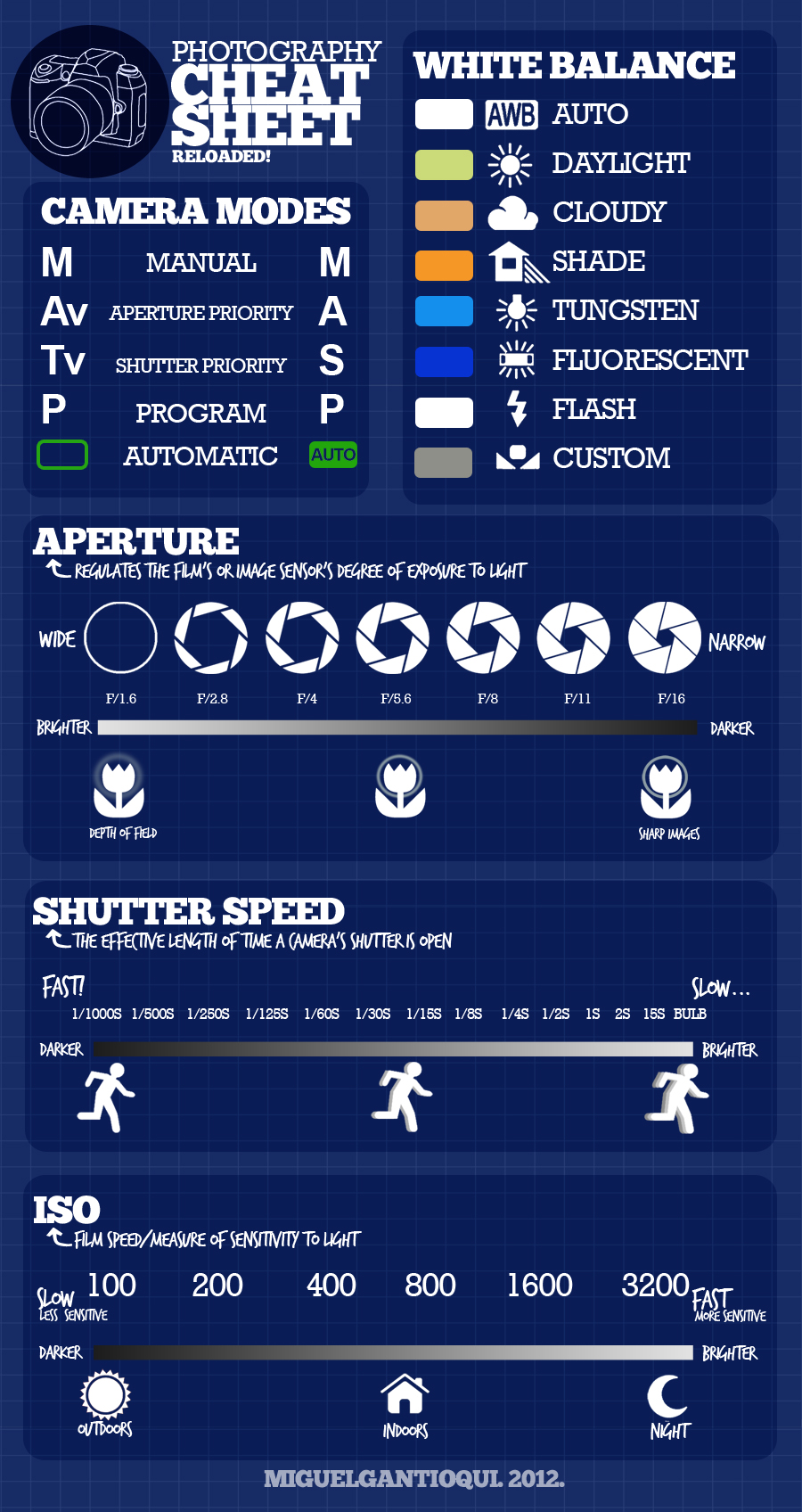
-Shoot in Aperture Priority for Corals, Shutter Priority for Fish and other non-stationary animals, and Manual once you are confident and knowledgeable.
- Invest in a tripod and a remote. This helps to achieve photos without blurs and allows you to take photos with higher F stops and slower shutter speeds which will be very difficult without it.
- Start with f stops of 7.1, 9, and 11. Those typically will be your choice for your aperture settings.
- Toggle white balance options under the menu setting to see which ones will give you less blue. If I remember correctly, the SHADE WB setting reduced the most blue.
- Learn about post-processing programs such as Adobe Lightroom(most used) and Photoshop. There is a lot of misconceptions and misinformation about Photoshop and it's capabilities. Once you are wanting to take on post processing, set your file type for your images to RAW for the most control over changes in your photos.
Edit: Forgot to add maintain your camera. Keep it cleared of dirt and debris. If the lens has dust, lint, and other stuff on it, it will not focus properly and the debris will show in your photos. There are thorough camera cleaning kits available at places that sell cameras such as Best buy or you can just get a microfiber cloth.
-Firstly, learn about your camera through the manual or Youtube videos (best choice)
-Take pics with no water movement in the tank....... ie turn off all pumps
-Clean your glass thoroughly before taking images. This reduces the camera from focusing on objects on your glass and improves clarity.
-Shoot in Aperture Priority for Corals, Shutter Priority for Fish and other non-stationary animals, and Manual once you are confident and knowledgeable.
- Invest in a tripod and a remote. This helps to achieve photos without blurs and allows you to take photos with higher F stops and slower shutter speeds which will be very difficult without it.
- Start with f stops of 7.1, 9, and 11. Those typically will be your choice for your aperture settings.
- Toggle white balance options under the menu setting to see which ones will give you less blue. If I remember correctly, the SHADE WB setting reduced the most blue.
- Learn about post-processing programs such as Adobe Lightroom(most used) and Photoshop. There is a lot of misconceptions and misinformation about Photoshop and it's capabilities. Once you are wanting to take on post processing, set your file type for your images to RAW for the most control over changes in your photos.
Edit: Forgot to add maintain your camera. Keep it cleared of dirt and debris. If the lens has dust, lint, and other stuff on it, it will not focus properly and the debris will show in your photos. There are thorough camera cleaning kits available at places that sell cameras such as Best buy or you can just get a microfiber cloth.
Last edited:









 .)of the same price range..