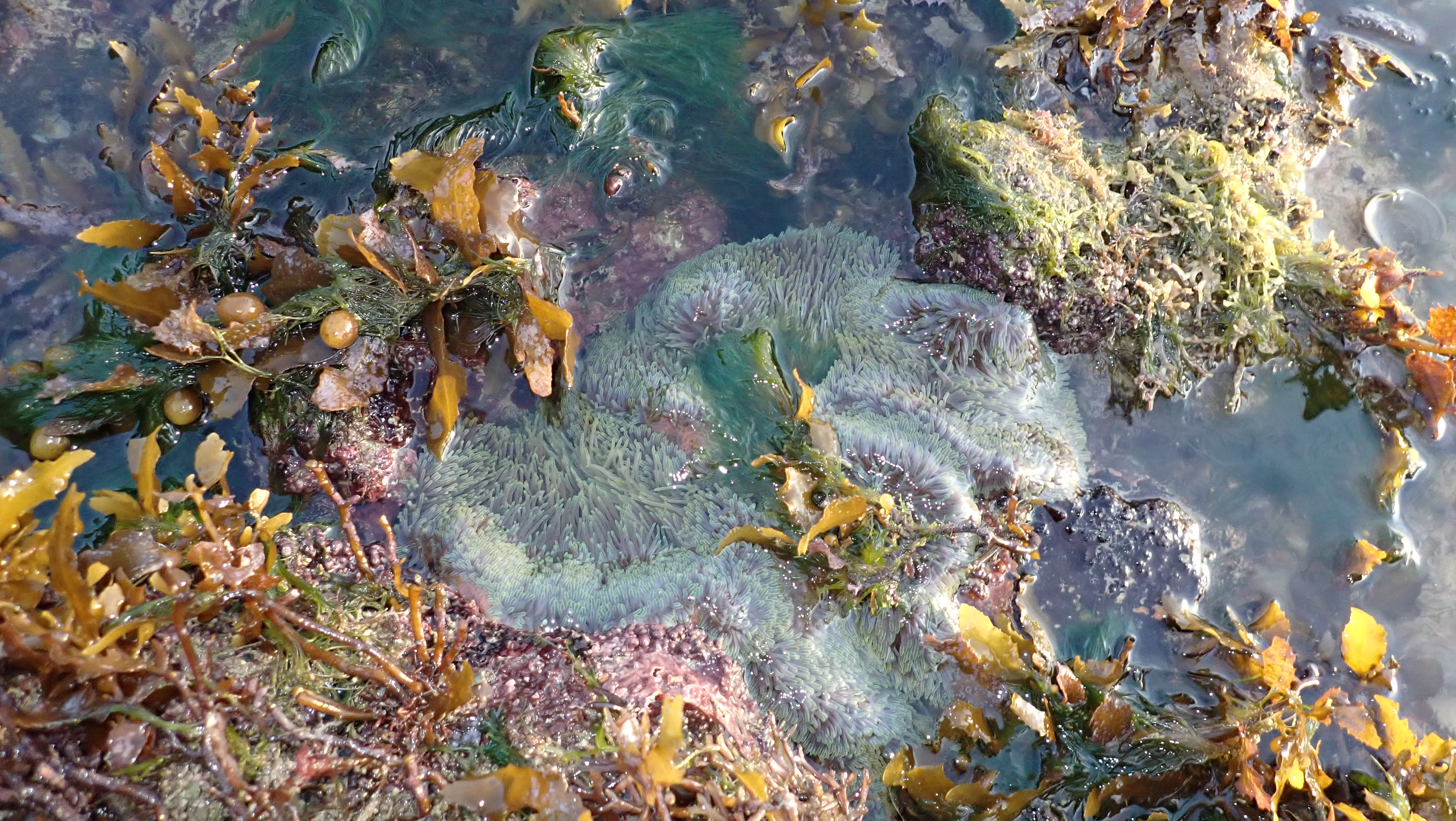
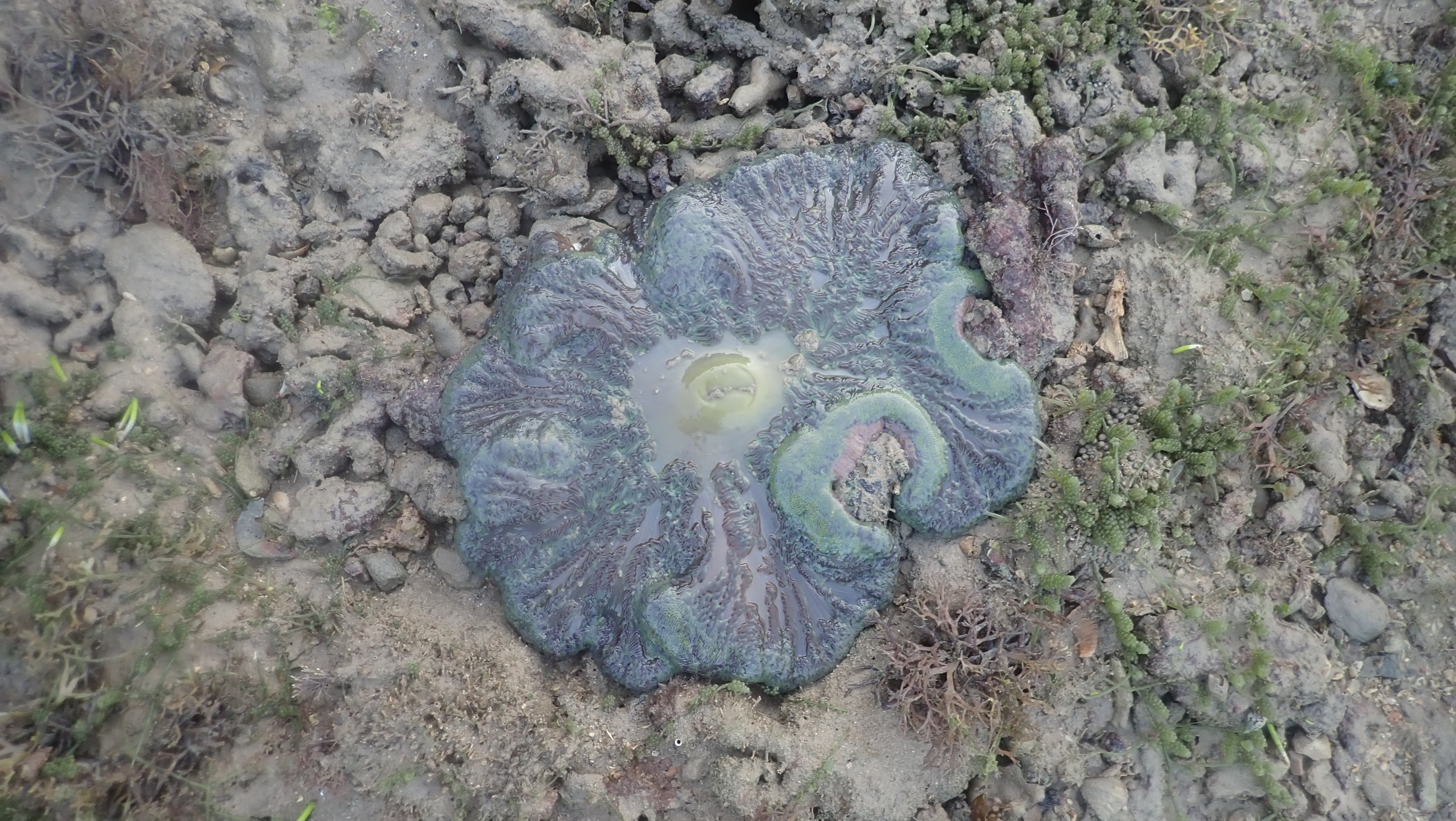
While I agree that something needs to be done, I don't think we can rely on vendors to QT gigs properly. They may actually do more harm than good if they do something like trying to treat an entire tank of gigs all at once (QTing two gigs in the same tank rarely works!).
Years ago I saw a photo of a facility (I think it was in the UK) that was individually treating anemones, each in its own container. However, when you think about the cost of QTing a single anemone--which if I were to do I'd probably charge around $200 ( to cover the cost of ~100 gallons of fresh saltwater, Cipro, labor, etc.)--most people wouldn't want to spend that much extra without a 100% survival guarantee, or for something that they think that can do successfully on their own (more on this later). Unfortunately, which shipping factored in, you can never offer that guarantee. The risk is too great, so it's not a good business decision.
In terms of a "fair price" that is really driven by supply-and-demand. Years ago I could purchase tan gigs for $40. Now I can't find one for less than $100. Prices go up exponentially for the greens, purples, and blues. The revelation that these anemones could be saved by antibiotics was a blessing but also a curse. As hobbyists saw those few gigs that actually survived the QT process, the demand shot up.
Lastly, I think many novice anemone enthusiasts don't understand how difficult it is to QT a gigantea. They're by far the hardest to treat, and most specimens are simply too far gone to survive, even though they may look salvageable at first glance. Even with a label that says "leave it for the experts" many hobbyists will make the attempt and fail. Until we stop doing that, businesses will still sell them.