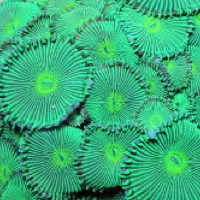
Palytoxin...Zoas? Need advice


Heres a great website i found that gives ID and toxicity on the common species of zoas and palys. Theres a second part that it links to. Might be worth a read for deciding what to get.

The basic gist of it though is that palytoxin is hyped up and full of misinformation and very few species actually have palytoxin levels that can do damage. Most of the common zoas you see (and even some common palys) do not have any dangerous levels of palytoxin, if any at all. Just avoid the big ugly brown ones or any big neon green/purple ones and you'll be a-ok.

Of course, always take precautions and do what you're most comfortable with.
 
Last edited:

Palytoxin poisoning is blown way out of proportion in the hobby, granted you should always be respectful of any coral but it scares people away for wrong reasons. The "designer names" dont help because half the time they call Zoa species like Z. pulchellus Z. gigantus etc etc "Palys" and its unfortunate how many newer hobbyists turn away from them.

The only "colorful and sought after" REAL palythoa that are actually fairly toxic are purple deaths and nuclear greens and "nuclear greens" can refer to two different species
P. mutuki - varigation of radiating lines are more pronounced and tentacles are typically longer and more tapered.
Palythoa toxica that are referred to as nuclear greens as well, these dont have as pronounced striping pattern on the disc and typically have shorter less tapered tentacles.


While its always important to practice safety precautions when handling any coral, keeping Palythoa in your reef is not nearly as risky as it's made out to be and newer hobbyists should not be discouraged to keeping them.

I'll get off my soapbox, but they really need some "paly" reform in the marketing of corals, because like I mentioned, many that are named __________palys aren't even actual palythoa and pose no risks.
 
Palytoxin poisoning is blown way out of proportion in the hobby, granted you should always be respectful of any coral but it scares people away for wrong reasons. The "designer names" dont help because half the time they call Zoa species like Z. pulchellus Z. gigantus etc etc "Palys" and its unfortunate how many newer hobbyists turn away from them.

The only "colorful and sought after" REAL palythoa that are actually fairly toxic are purple deaths and nuclear greens and "nuclear greens" can refer to two different species
P. mutuki - varigation of radiating lines are more pronounced and tentacles are typically longer and more tapered.
Palythoa toxica that are referred to as nuclear greens as well, these dont have as pronounced striping pattern on the disc and typically have shorter less tapered tentacles.
Palitoxin should be taken very seriously. Sellers should present worksheet with information to every single purchase. It is actually taken way too easy.
While its always important to practice safety precautions when handling any coral, keeping Palythoa in your reef is not nearly as risky as it's made out to be and newer hobbyists should not be discouraged to keeping them.
Not true. All zoanthids found in the hobby (including any Palythoa spp. and Zoanthus spp.) could have significant amounts of palytoxin and be very dangerous and fatal to humans and animals.
I'll get off my soapbox, but they really need some "paly" reform in the marketing of corals, because like I mentioned, many that are named __________palys aren't even actual palythoa and pose no risks.
It is sad and unfortunate to say that your suggestion of "some "paly" reform in the marketing" won't happen. It is too late to fight for it now. I did try for a while in the past and was a waste of time.
 
Hi all,
I have some areas in my tank that need fillers.
Ive been considering throwing in some zoas because of a few particular ones that are out there but am concerned with palytoxin.

Ive done some research online but question its credibility. I ask because I have a lot of kids in the house and although the tank is dialed in, there is always something that can happen where the tank just crashes and puts others at risk when Im not home.
Cooler dies out, dosers over doing it etc. What ever the scenario.

Ive heard not all Zoas/ Palys carry the toxin but, any experts out there that can convince me with some facts so I can add a few?
If you can name drop some that youve personally handled and had no ill effects it would be appreciated.
Would be dope to add some Rastas or a cluster of different types.
Any zoanthid can have significant amounts of palytoxin. Independent of species, colors, shapes, wishes...
The risk is in each different individual colony and can stay in the system for many years without showing any signs of it, and one day it would show. I'm sorry, but this is the safest way to give you the information. It is the second worse toxin in existence and nothing to play with. Yes, the risk will always be there.
 
So I’m new to corals too and was worried about this as well, my family is like a magnet for the rare... when someone says it’s one in a million then it will probably happen to us. I did a lot of research too and what I saw was they are only toxic to us OUT of the water. If they release toxin in the water it says in the water. So if the tank crashes you’re fine, the toxin would say in the water. If you pull a frag or a rock out of the water that’s when the toxin can be released airborne. There are step to take when dealing with them outside water

1. In or out of water wear gloves, eye protection, and face mask (some will say this is overkill, and it honestly probably is... but again magnet for rare thing so I just do it)
2. Be in a well ventilated space when out of water.
3. If removing rock or frag from water to toss double bag and keep outside until trash day.
4. When putting them in or taking them out of the tank don’t have kids or pets around the area.

Again this is probably was overkill, but if you are concerned these are steps you can take to reduce the risk even more. I have three types in my tank.
NO, not only OUT of the water. It will be released IN the water and will kill your fishes as well!!!! It can be released IN the water for any reason and get in your blood stream.
 
I frag all my zoas bare handed. I think the ones you need to watch out for are some of the uncolored brown and green wild palys.
Ive never had any issues all the years i been fraggin bare handed.
Fragged pretty much every popular and common zoa out there. Not a lot of palys.

20190927_183438.jpg
Use gloves, goggles and close your mouth!
Keep all instruments and plugs out of the reach of children and pets.
Wash everything many times after use with soap and lots of water.
 
Anyone else have their 2c to throw in?
I get nervous just to see how many people take palytoxin so easy. It is not something to play with and the truth has to be exposed.
VERY DANGEROUS AND CAN KILL YOU!
It takes only one drop to bring you to the ER!!!
Take care and be safe!!!
 
Palitoxin should be taken very seriously. Sellers should present worksheet with information to every single purchase. It is actually taken way too easy.

Not true. All zoanthids found in the hobby (including any Palythoa spp. and Zoanthus spp.) could have significant amounts of palytoxin and be very dangerous and fatal to humans and animals.

It is sad and unfortunate to say that your suggestion of "some "paly" reform in the marketing" won't happen. It is too late to fight for it now. I did try for a while in the past and was a waste of time.

WHILE CARE SHOULD BE TAKEN WITH ALL CORAL

Pretty much everything you have been spouting off has been coming from anywhere but your mouth.
In the 22 years I have been in the hobby, I read read of only two incidents of possible palytoxin poisoning, and only a select few species of palythoa have been thought to have significant amounts of palytoxin, P. heliodiscs, and P. toxica.
Even the common Protopalythoa/palythoa mutuki are thought to have little if any palytoxin at all!

Please read and refer to the taxa I chart provided


Also as far as the misidentification that is going rampant in the marketing /designer name game is doing the hobby itself a disservice, so is the fear mongering you are perpetuating.
Misinformation is misinformation, and does no body any good, I think referring to a corals incorrect species or on this case many times the completely wrong genus is absolutely unacceptable.


TBH, these past few days I have experienced with this forum, havent been good ones, I miss RC where such misinformation and fear mongering you are perpetuating would be shut down rather quickly.


Again, safety measures should be taken with the handling of ALL coral, but the misinformation and fear mongering you are perpetuating can be damaging to the hobby, and can dissuade reefers who with some common sense can safely keep even the very few actual palytoxin producing corals safely

palytoxin-reefs-blog-3.jpg
 
I get nervous just to see how many people take palytoxin so easy. It is not something to play with and the truth has to be exposed.
VERY DANGEROUS AND CAN KILL YOU!
It takes only one drop to bring you to the ER!!!
Take care and be safe!!!


SMH, fear mongering
 
WHILE CARE SHOULD BE TAKEN WITH ALL CORAL

Pretty much everything you have been spouting off has been coming from anywhere but your mouth.
In the 22 years I have been in the hobby, I read read of only two incidents of possible palytoxin poisoning, and only a select few species of palythoa have been thought to have significant amounts of palytoxin, P. heliodiscs, and P. toxica.
Even the common Protopalythoa/palythoa mutuki are thought to have little if any palytoxin at all!

Please read and refer to the taxa I chart provided


Also as far as the misidentification that is going rampant in the marketing /designer name game is doing the hobby itself a disservice, so is the fear mongering you are perpetuating.
Misinformation is misinformation, and does no body any good, I think referring to a corals incorrect species or on this case many times the completely wrong genus is absolutely unacceptable.


TBH, these past few days I have experienced with this forum, havent been good ones, I miss RC where such misinformation and fear mongering you are perpetuating would be shut down rather quickly.


Again, safety measures should be taken with the handling of ALL coral, but the misinformation and fear mongering you are perpetuating can be damaging to the hobby, and can dissuade reefers who with some common sense can safely keep even the very few actual palytoxin producing corals safely

palytoxin-reefs-blog-3.jpg
Lol, I posted that first link earlier in the thread.

Also, it can be harmful to the hobby because if people think it's full of dangerous deadly creatures and destroying the environment, then we get bans and people hating it.
 
Lol, I posted that first link earlier in the thread.

Also, it can be harmful to the hobby because if people think it's full of dangerous deadly creatures and destroying the environment, then we get bans and people hating it.


EXACTLY

User P. grandis is blowing it way out of proportion! does nobody any good.
 
In addition to the fear mongering, The misidentification I do have a big problem with as well, - let's say you are new to the hobby and you go into the LFS and see some " red people eater palys" you are reluctant to purchase the coral because of said unfounded fear mongering, but sandwiched on top of that, they are actually Z. gigantus NOT palythoa and pose little if any poisoning risks at all!
Now anytime this new hobbyist sees a "people eater type" of zoa, they are going to refer to them as Palythoas and boom the misinformation continues to spread, smh that P. grandis thinks that is okay, it's not!
 
In addition to the fear mongering, The misidentification I do have a big problem with as well, - let's say you are new to the hobby and you go into the LFS and see some " red people eater palys" you are reluctant to purchase the coral because of said unfounded fear mongering, but sandwiched on top of that, they are actually Z. gigantus NOT palythoa and pose little if any poisoning risks at all!
Now anytime this new hobbyist sees a "people eater type" of zoa, they are going to refer to them as Palythoas and boom the misinformation continues to spread, smh that P. grandis thinks that is okay, it's not!
Another reason why the absurd and dumb namings make everything so much more confusing. I love zoas and palys a ton, they're my favorite coral. But naming a super slight color variant something new and crazy just confuses everyone and makes it more difficult to nail down what species you even have and makes me NOT want to deal with it. Especially if you charge 100 bucks more per polyp for something I can find for $25 in a store if I look hard enough.
 
I know that article well. I'm not sure about your interpretation of that article is. I don't think that articles affirms that palytoxin can't be found in Zoanthus spp. at all.
While it is true to affirm that MOST cases involving palytoxin are direct related to Palythoa spp., we just can't generalize and affirm that Zoanthus spp. won't carry the toxin at all or at "safe levels"!!! If a person is sensitive to it that person could die!
No matter how many years you are in the hobby, by the way I'm doing this since the late 80's, it won't change the facts!
 
So called "Nuclear Greens" aren't safe at all!!!
Brand new video published today:
Let's please be very careful with publishing any "relief" article or message about palytoxin!
 
So called "Nuclear Greens" aren't safe at all!!!
Brand new video published today:
Let's please be very careful with publishing any "relief" article or message about palytoxin!


When you say nuclear greens are you referring to the P. toxica variety or nuclear green P. mutuki?
Because again, not all palythoa contain palytoxin.

Also that YouTube video doesn't prove anything, it simply someone else sharing their opinion.

I prefer scientific literature to use as my sources, not YouTube.

Please read.


Also, again, it's always wise to be careful with any coral, but there comes a point when words of caution turn into fear mongering, which is what I ask that you lay off of

Screenshot_20191004-182236_Drive.jpg
 
C. Eymann:
Do you think it is safe to play the game you are playing?
Would you like anyone to get hurt if any "Nuclean Greens" could kill someone's daughter or even a dog?
Please stop trying to justify your thoughts. It sounds like a teen talking IMO.
If that is your opinion, please keep to yourself.
That would be the safest way to deal with such interpretation problem.
ANY Zoanthid COULD carry significant amount of palytoxin.
If you don't believe me go ask your doctor or any responsible zoanthid expert (biologist).
Screen Shot 2019-10-03 at 1.58.57 PM.png
 
Last edited:
When you say nuclear greens are you referring to the P. toxica variety or nuclear green P. mutuki?
Because again, not all palythoa contain palytoxin.

Also that YouTube video doesn't prove anything, it simply someone else sharing their opinion.

I prefer scientific literature to use as my sources, not YouTube.

Please read.


Also, again, it's always wise to be careful with any coral, but there comes a point when words of caution turn into fear mongering, which is what I ask that you lay off of

Screenshot_20191004-182236_Drive.jpg
Here, from the sample in your post:
Screen Shot 2019-10-04 at 1.43.14 PM.png

This is to help you understand how much one colony can differ from another independent of being of the same species or not. They all differ in the quantity of the toxin and therefore it is impossible to determinate if one is highly toxic or not. Unfortunately that is true to ANY zoanthid on Earth. We just have to be careful with any of these organisms in our systems.
 
Here, from the sample in your post:
Screen Shot 2019-10-04 at 1.43.14 PM.png

This is to help you understand how much one colony can differ from another independent of being of the same species or not. They all differ in the quantity of the toxin and therefore it is impossible to determinate if one is highly toxic or not. Unfortunately that is true to ANY zoanthid on Earth. We just have to be careful with any of these organisms in our systems.


P. heliodiscs is KNOWN to be one of the most toxic of all palythoa, did you not notice there are Palythoa species in the study where Palytoxin was undetected? same with all Zoanthus species in the study.

Again

Caution = good. Fear mongering = bad
 

IF YOU HAD TO TAKE A REEFING EXAM, WOULD YOU PASS?

  • Yes!

    Votes: 32 45.7%
  • Not yet, but I have one that I want to buy in mind!

    Votes: 9 12.9%
  • No.

    Votes: 26 37.1%
  • Other (please explain).

    Votes: 3 4.3%
Back
Top